O tribunal de Guimarães condenou, esta terça-feira, um casal a quatro anos e seis meses de prisão por ter angariado donativos em nome de associações fictícias, argumentando que o dinheiro reverteria para crianças doentes a precisar de tratamento no estrangeiro.
De acordo com o Jornal de Notícias, Helder e Cátia Fonseca terão sido ainda condenados a pagar 262,075 mil euros ao Estado.
A publicação avança que também o responsável por recolher os donativos terá sido igualmente condenado a três anos de prisão, com pena suspensa, e ainda obrigado a pagar 6.050 euros.
No total, Hélder e Cátia terão conseguido cerca de dez mil doações entre 2010 e 2017, angariando cerca de 316 mil euros durante os sete anos em que colocaram em prática este seu esquema.
O Jornal de Notícias adianta ainda que o casal acabou por confessar o crime em tribunal, mas admitindo-se “perplexo com os números”.
O juiz decidiu absolver esta terça-feira mãe e filho, acusados da morte de um idoso em Famalicão, em outubro de 2016. Ambos estavam acusados de crimes diferentes, mas relacionados com o mesmo incidente, que resultou na morte de um homem de 86 anos, que foi espancado durante um assalto e acabou por morrer um mês depois no hospital.
O tribunal considerou que a perícia na autopsia não afirma taxativamente que as lesões causadas durante o assalto tenham levado à morte do idoso. Para além disso, o jovem, que era menor na altura em que o crime foi cometido, nunca chegou a confirmar formalmente que seria o autor do furto. A mãe estava acusada do crime de receptação, pois terá sido ela a vender numa loja de ouro as peças que foram roubadas ao idoso. O tribunal diz que, não se comprovando que foram roubadas, não se consegue provar que ela obteve estas peças de forma ilícita. À saída do tribunal, os suspeitos agora absolvidos não prestaram quaisquer declarações.
O Ministério Público pode ainda recorrer da decisão.
Nove pessoas, com idades entre os 19 e os 52 anos, foram atropeladas quando estavam a assistir a corridas ilegais, no parque do Lago Discount, em Ribeirão. As vítimas foram transportadas aos hospitais de Famalicão e Braga, com ferimentos ligeiros e já tiveram alta.
O acidente aconteceu na noite deste domingo, por volta das 22h50, quando um dos condutores, ao fazer um pião, perdeu o controlo da viatura e atropelou quem assistia. Instalou-se o pânico, temendo o pior.
Segundo fontes policiais, o condutor é uma jovem de 17 anos de idade, ainda sem licença de condução. A jovem pegou no carro do namorado para fazer umas manobras e perdeu o controlo da viatura.
O namorado começou por assumir as culpas, mas as testemunhas do acidente acabaram por levar a GNR até ao verdadeiro condutor. A jovem, residente em Vizela, acabou por assumir que era ela quem conduzia. Já foi ouvida em Tribunal e ficou em liberdade, com termo de identidade e residência. Foi constituída arguida, indiciada por dois crimes: condução sem habilitação legal e condução perigosa.
As perícias ilegais acontecem no local e são conhecidas das autoridades que têm feito fiscalizações aleatórias. Além das infrações ao trânsito, têm detetado consumo de álcool e alterações aos carros. O veículo que atropelou as pessoas é um Honda Civic, com pneus e jantes que não cumprem as normas legais. Mas os documentos estão em dia, incluindo seguro.
No socorro às vítimas estiveram os Bombeiros de Famalicão, a Cruz Vermelha de Ribeirão e a VMER. A GNR está a investigar.
Os cidadãos de concelho de Vila Nova de Famalicão que andem a congeminar uma ideia de negócio vão poder beneficiar da opinião de especialistas de várias áreas quanto aos méritos da mesma e sobre a forma e condições necessárias para que essa ideia se possa transformar numa empresa. A criação de uma Bolsa de Peritos para Apoio ao Desenvolvimento de Negócios foi aprovada na última reunião do executivo municipal e é uma nova ferramenta de apoio aos novos empreendedores de Famalicão no desenvolvimento da ideia até à eventual constituição da empresa.
A estratégia insere-se no objetivo mais lato do município de desenvolver, através do programa Famalicão Made IN, uma ampla rede estratégica de apoio à criação e desenvolvimento de novas empresas, por via da capacitação dos empreendedores em competências consideradas estratégicas ao sucesso do negócio, tendo em vista a geração de riqueza e a criação de emprego no concelho.
A Bolsa de Peritos vai reunir um conjunto de especialistas para aconselhar e orientar os empreendedores na criação de novas empresas, em áreas como: estruturação da ideia, modelo e plano de negócio, patentes, marketing, comunicação, financiamento, registo e aconselhamento jurídico, entre outros assuntos relevantes à criação de uma empresa. “É uma iniciativa que dá enquadramento à manifestação de disponibilidade de muitas pessoas com valor, que se têm voluntariado, no âmbito do trabalho de rede desenvolvido pelo programa Famalicão Made IN, para emprestar a sua competência empreendedora àqueles que estão a dar os primeiros passos”, explica o Presidente da Câmara Municipal, Paulo Cunha, enaltecendo a disponibilidade “dos que já têm experiência para, num contexto informal, ajudar aqueles que estão a começar”. “A expetativa é que os peritos que vão ser constituídos em bolsa deem umas luzes, alguns sinais, acerca dos caminhos que as pessoas podem seguir”.
O processo de candidatura à bolsa de peritos será feito oportunamente através de preenchimento de formulário submetido eletronicamente, em conjunto com as correspondentes normas de acesso e requisitos de admissão, no portal do projeto Famalicão Made IN (www.famalicaomadein.pt).
Para além de regulamentar o processo, o município disponibilizará espaços físicos e meios materiais do Gabinete de Apoio ao Empreendedor para efeitos de reuniões de trabalho entre os peritos e os empreendedores.
A juventude de Famalicão não faltou ao ON Summer Fest e festejou em grande a chegada do verão. O festival de música, que todos os anos é promovido pela autarquia, através da Casa da Juventude, decorreu no sábado à noite no Parque da Juventude, com o rapper Deau como cabeça de cartaz.
Para além do músico do Porto, passaram ainda pelo palco do ON Summer Fest alguns nomes promissores e já consagrados do panorama musical do concelho e da região.
Os famalicenses The CityZens foram os primeiros a subir ao palco e apresentaram ao público os temas que compõem o último álbum da banda – “We are the CityZens”. Seguiram-se os rappers B Quest e Cálculo e foi também ao ritmo do Hip Hop que Deau encerrou esta quarta edição do festival.
São vários os qualificativos que assentam bem à Westmister. Mas resumamos em quatro: qualidade, design, elegância e conforto. Todos juntos contribuem para que aquilo que para muitos pode ser um simples par de meias se torne numa distinta peça de vestuário. A WestMister é uma marca diferenciadora de meias masculinas para o segmento alto, criada pelo famalicense Luís Campos e instalada na incubadora de empresas Famalicão Made IN, e que foi protagonista da recente visita do Presidente da Câmara, Paulo Cunha, a pretexto do Roteiro pela Inovação, que registou também as presenças de responsáveis do IAPMEI e da AICEP.
A jovem marca apresenta já indicadores que orgulham: 15 mil pares fabricados, 40 modelos por confeção e uma faturação de 60 mil euros em 2017. “No mercado já foram colocados mais de 100 modelos, para agradar a todos os gostos e feitios”, revelou Luís Campos, que garante que a marca assina “as melhores meias”, de fabrico 100% português. Porque, justifica, “são feitas com matérias-primas de qualidade (mercerised cotton lisle) e produzidas pelos melhores meios técnicos (máquinas de 200 agulhas e biqueira sem costura)”.
A internacionalização da marca WestMister é agora uma aposta clara, associada aos passos já dados de afirmação nacional através da presença em eventos nacionais, com destaque para a última edição da Moda Lisboa, onde apresentou uma coleção que desenvolveu para o estilista Nuno Gama.
Recentemente a WestMister estreou-se em Liverpool, no International Business Festival, no final deste mês viaja até Nova Iorque, para o MRket, e em setembro ruma a Madrid, onde participará na Momad Metropolis.
A startup famalicense trabalha assim para ganhar escala, agora que completa dois anos, e, segundo Luís Campos, já se posicionou em 60 pontos de venda nacionais e em 15 lojas espalhadas pela Europa e pela América Latina, dispondo ainda de um showroom em Lisboa e de uma loja online.
“Pela sua criatividade e inovação, a WestMister é um sinal claro de que ainda é possível acrescentar muito ao que já somos hoje no têxtil e ao que seremos no futuro”, destacou o autarca famalicense, apontando a startup como “um dos melhores exemplos para sinalizar o enorme potencial de crescimento do concelho, numa área em que à partida ninguém diria que poderia inovar, mas que soube surpreender o mercado”. “Não basta produzir um produto de qualidade. É preciso também ter uma abordagem acertada ao mercado”, assinalou ainda Paulo Cunha.
Recentemente a WestMister foi escolhida pelo Primeiro-Ministro, António Costa, para presentear o seu homólogo canadiano, Justin Trudeau, na recente visita oficial, como um exemplo da qualidade da produção nacional.
We and our [number_of_vendors] partners use cookies and other tracking technologies to store and access information on your device and to process your personal data.
With your consent, we and our partners may process personal data such as unique identifiers, browsing data, and precise geolocation data, including through device scanning. You can accept or reject all by clicking the buttons below, or customize your choices by clicking "Manage Settings".
Some of our partners process your data based on their legitimate interest. You have the right to object to this processing. You can manage these settings by clicking "Manage Settings" and reviewing the legitimate interest options for each purpose and vendor.
This consent applies to this website only. You can withdraw or change your consent at any time by clicking the floating "Cookie Preferences" button at the bottom-left corner of your screen.
Data Processing Purposes: Store and/or access information on a device (397 seeking consent); Use limited data to select advertising (278 seeking consent, 96 using legitimate interest); Create profiles for personalised advertising (294 seeking consent); Use profiles to select personalised advertising (300 seeking consent); Create profiles to personalise content (114 seeking consent); Use profiles to select personalised content (107 seeking consent); Measure advertising performance (300 seeking consent, 132 using legitimate interest); Measure content performance (138 seeking consent, 56 using legitimate interest); Understand audiences through statistics or combinations of data from different sources (198 seeking consent, 67 using legitimate interest); Develop and improve services (200 seeking consent, 107 using legitimate interest); Use limited data to select content (62 seeking consent, 22 using legitimate interest)
Special Features: Use precise geolocation data; Identify devices based on information actively requested
Review and customize your consent choices for purposes and vendors. You can grant or withdraw consent for each purpose and vendor individually, or use the buttons below to accept or reject all.
The choices you make regarding the purposes and entities listed in this notice are saved in your browser's localStorage and a cookie named "wpconsent_tcstring" for a maximum duration of 12 months.
Non-IAB TCF Categories
These categories are not part of the IAB Transparency & Consent Framework.
Essential cookies enable basic functions and are necessary for the proper function of the website.
Name
Description
Duration
IAB TC String
This cookie stores the IAB Transparency & Consent Framework consent string, recording the user's choices for IAB TCF purposes and vendors.
12 months
Cookie Preferences
This cookie is used to store the user's cookie consent preferences.
30 days
IAB TCF Purposes
These purposes are part of the IAB Transparency & Consent Framework.
Store and/or access information on a device (397 seeking consent)
Cookies, device or similar online identifiers (e.g. login-based identifiers, randomly assigned identifiers, network based identifiers) together with other information (e.g. browser type and information, language, screen size, supported technologies etc.) can be stored or read on your device to recognise it each time it connects to an app or to a website, for one or several of the purposes presented here.
Examples:
Most purposes explained in this notice rely on the storage or accessing of information from your device when you use an app or visit a website. For example, a vendor or publisher might need to store a cookie on your device during your first visit on a website, to be able to recognise your device during your next visits (by accessing this cookie each time).
Use limited data to select advertising (278 seeking consent, 96 using legitimate interest)
Advertising presented to you on this service can be based on limited data, such as the website or app you are using, your non-precise location, your device type or which content you are (or have been) interacting with (for example, to limit the number of times an ad is presented to you).
Examples:
A car manufacturer wants to promote its electric vehicles to environmentally conscious users living in the city after office hours. The advertising is presented on a page with related content (such as an article on climate change actions) after 6:30 p.m. to users whose non-precise location suggests that they are in an urban zone.
A large producer of watercolour paints wants to carry out an online advertising campaign for its latest watercolour range, diversifying its audience to reach as many amateur and professional artists as possible and avoiding showing the ad next to mismatched content (for instance, articles about how to paint your house). The number of times that the ad has been presented to you is detected and limited, to avoid presenting it too often.
Create profiles for personalised advertising (294 seeking consent)
Information about your activity on this service (such as forms you submit, content you look at) can be stored and combined with other information about you (for example, information from your previous activity on this service and other websites or apps) or similar users. This is then used to build or improve a profile about you (that might include possible interests and personal aspects). Your profile can be used (also later) to present advertising that appears more relevant based on your possible interests by this and other entities.
Examples:
If you read several articles about the best bike accessories to buy, this information could be used to create a profile about your interest in bike accessories. Such a profile may be used or improved later on, on the same or a different website or app to present you with advertising for a particular bike accessory brand. If you also look at a configurator for a vehicle on a luxury car manufacturer website, this information could be combined with your interest in bikes to refine your profile and make an assumption that you are interested in luxury cycling gear.
An apparel company wishes to promote its new line of high-end baby clothes. It gets in touch with an agency that has a network of clients with high income customers (such as high-end supermarkets) and asks the agency to create profiles of young parents or couples who can be assumed to be wealthy and to have a new child, so that these can later be used to present advertising within partner apps based on those profiles.
Use profiles to select personalised advertising (300 seeking consent)
Advertising presented to you on this service can be based on your advertising profiles, which can reflect your activity on this service or other websites or apps (like the forms you submit, content you look at), possible interests and personal aspects.
Examples:
An online retailer wants to advertise a limited sale on running shoes. It wants to target advertising to users who previously looked at running shoes on its mobile app. Tracking technologies might be used to recognise that you have previously used the mobile app to consult running shoes, in order to present you with the corresponding advertisement on the app.
A profile created for personalised advertising in relation to a person having searched for bike accessories on a website can be used to present the relevant advertisement for bike accessories on a mobile app of another organisation.
Create profiles to personalise content (114 seeking consent)
Information about your activity on this service (for instance, forms you submit, non-advertising content you look at) can be stored and combined with other information about you (such as your previous activity on this service or other websites or apps) or similar users. This is then used to build or improve a profile about you (which might for example include possible interests and personal aspects). Your profile can be used (also later) to present content that appears more relevant based on your possible interests, such as by adapting the order in which content is shown to you, so that it is even easier for you to find content that matches your interests.
Examples:
You read several articles on how to build a treehouse on a social media platform. This information might be added to a profile to mark your interest in content related to outdoors as well as do-it-yourself guides (with the objective of allowing the personalisation of content, so that for example you are presented with more blog posts and articles on treehouses and wood cabins in the future).
You have viewed three videos on space exploration across different TV apps. An unrelated news platform with which you have had no contact builds a profile based on that viewing behaviour, marking space exploration as a topic of possible interest for other videos.
Use profiles to select personalised content (107 seeking consent)
Content presented to you on this service can be based on your content personalisation profiles, which can reflect your activity on this or other services (for instance, the forms you submit, content you look at), possible interests and personal aspects. This can for example be used to adapt the order in which content is shown to you, so that it is even easier for you to find (non-advertising) content that matches your interests.
Examples:
You read articles on vegetarian food on a social media platform and then use the cooking app of an unrelated company. The profile built about you on the social media platform will be used to present you vegetarian recipes on the welcome screen of the cooking app.
You have viewed three videos about rowing across different websites. An unrelated video sharing platform will recommend five other videos on rowing that may be of interest to you when you use your TV app, based on a profile built about you when you visited those different websites to watch online videos.
Measure advertising performance (300 seeking consent, 132 using legitimate interest)
Information regarding which advertising is presented to you and how you interact with it can be used to determine how well an advert has worked for you or other users and whether the goals of the advertising were reached. For instance, whether you saw an ad, whether you clicked on it, whether it led you to buy a product or visit a website, etc. This is very helpful to understand the relevance of advertising campaigns.
Examples:
You have clicked on an advertisement about a “black Friday” discount by an online shop on the website of a publisher and purchased a product. Your click will be linked to this purchase. Your interaction and that of other users will be measured to know how many clicks on the ad led to a purchase.
You are one of very few to have clicked on an advertisement about an “international appreciation day” discount by an online gift shop within the app of a publisher. The publisher wants to have reports to understand how often a specific ad placement within the app, and notably the “international appreciation day” ad, has been viewed or clicked by you and other users, in order to help the publisher and its partners (such as agencies) optimise ad placements.
Measure content performance (138 seeking consent, 56 using legitimate interest)
Information regarding which content is presented to you and how you interact with it can be used to determine whether the (non-advertising) content e.g. reached its intended audience and matched your interests. For instance, whether you read an article, watch a video, listen to a podcast or look at a product description, how long you spent on this service and the web pages you visit etc. This is very helpful to understand the relevance of (non-advertising) content that is shown to you.
Examples:
You have read a blog post about hiking on a mobile app of a publisher and followed a link to a recommended and related post. Your interactions will be recorded as showing that the initial hiking post was useful to you and that it was successful in interesting you in the related post. This will be measured to know whether to produce more posts on hiking in the future and where to place them on the home screen of the mobile app.
You were presented a video on fashion trends, but you and several other users stopped watching after 30 seconds. This information is then used to evaluate the right length of future videos on fashion trends.
Understand audiences through statistics or combinations of data from different sources (198 seeking consent, 67 using legitimate interest)
Reports can be generated based on the combination of data sets (like user profiles, statistics, market research, analytics data) regarding your interactions and those of other users with advertising or (non-advertising) content to identify common characteristics (for instance, to determine which target audiences are more receptive to an ad campaign or to certain contents).
Examples:
The owner of an online bookstore wants commercial reporting showing the proportion of visitors who consulted and left its site without buying, or consulted and bought the last celebrity autobiography of the month, as well as the average age and the male/female distribution of each category. Data relating to your navigation on its site and to your personal characteristics is then used and combined with other such data to produce these statistics.
An advertiser wants to better understand the type of audience interacting with its adverts. It calls upon a research institute to compare the characteristics of users who interacted with the ad with typical attributes of users of similar platforms, across different devices. This comparison reveals to the advertiser that its ad audience is mainly accessing the adverts through mobile devices and is likely in the 45-60 age range.
Develop and improve services (200 seeking consent, 107 using legitimate interest)
Information about your activity on this service, such as your interaction with ads or content, can be very helpful to improve products and services and to build new products and services based on user interactions, the type of audience, etc. This specific purpose does not include the development or improvement of user profiles and identifiers.
Examples:
A technology platform working with a social media provider notices a growth in mobile app users, and sees based on their profiles that many of them are connecting through mobile connections. It uses a new technology to deliver ads that are formatted for mobile devices and that are low-bandwidth, to improve their performance.
An advertiser is looking for a way to display ads on a new type of consumer device. It collects information regarding the way users interact with this new kind of device to determine whether it can build a new mechanism for displaying advertising on this type of device.
Use limited data to select content (62 seeking consent, 22 using legitimate interest)
Content presented to you on this service can be based on limited data, such as the website or app you are using, your non-precise location, your device type, or which content you are (or have been) interacting with (for example, to limit the number of times a video or an article is presented to you).
Examples:
A travel magazine has published an article on its website about the new online courses proposed by a language school, to improve travelling experiences abroad. The school’s blog posts are inserted directly at the bottom of the page, and selected on the basis of your non-precise location (for instance, blog posts explaining the course curriculum for different languages than the language of the country you are situated in).
A sports news mobile app has started a new section of articles covering the most recent football games. Each article includes videos hosted by a separate streaming platform showcasing the highlights of each match. If you fast-forward a video, this information may be used to select a shorter video to play next.






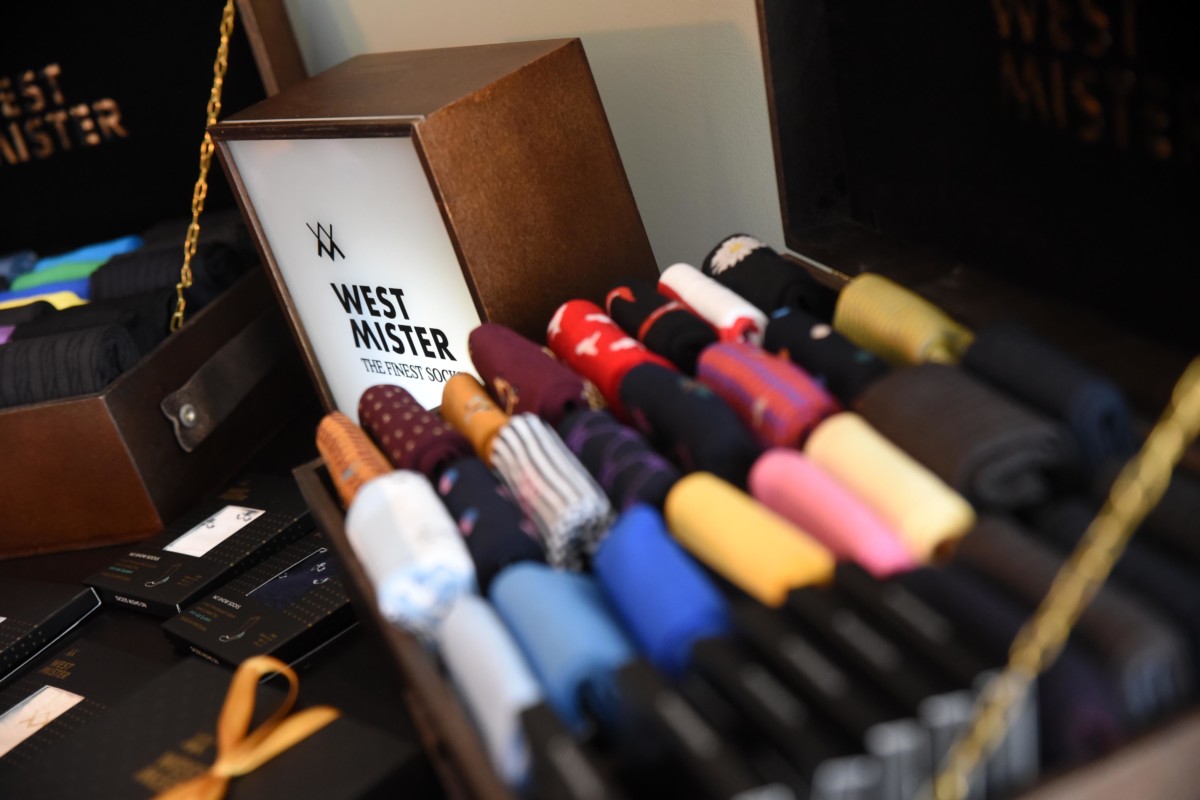 A jovem marca apresenta já indicadores que orgulham: 15 mil pares fabricados, 40 modelos por confeção e uma faturação de 60 mil euros em 2017. “No mercado já foram colocados mais de 100 modelos, para agradar a todos os gostos e feitios”, revelou Luís Campos, que garante que a marca assina “as melhores meias”, de fabrico 100% português. Porque, justifica, “são feitas com matérias-primas de qualidade (mercerised cotton lisle) e produzidas pelos melhores meios técnicos (máquinas de 200 agulhas e biqueira sem costura)”.