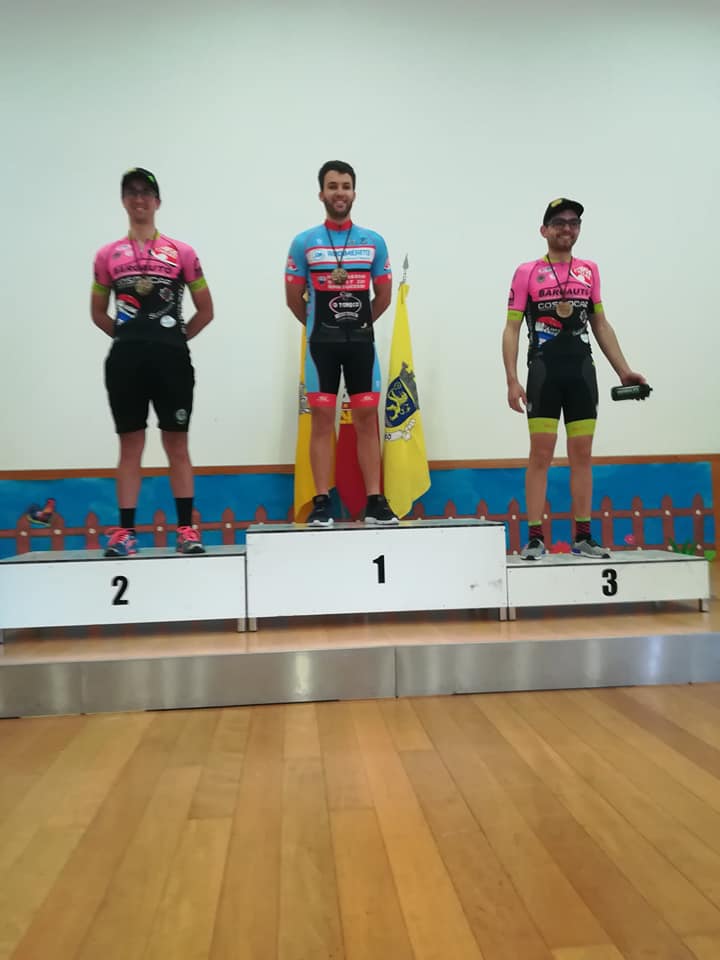
Bruno Carneiro e Davide Silva e a dupla Nuno Silva e Sérgio Nogueira, conquistaram este fim de semana triunfos para o BTT da AMVE.
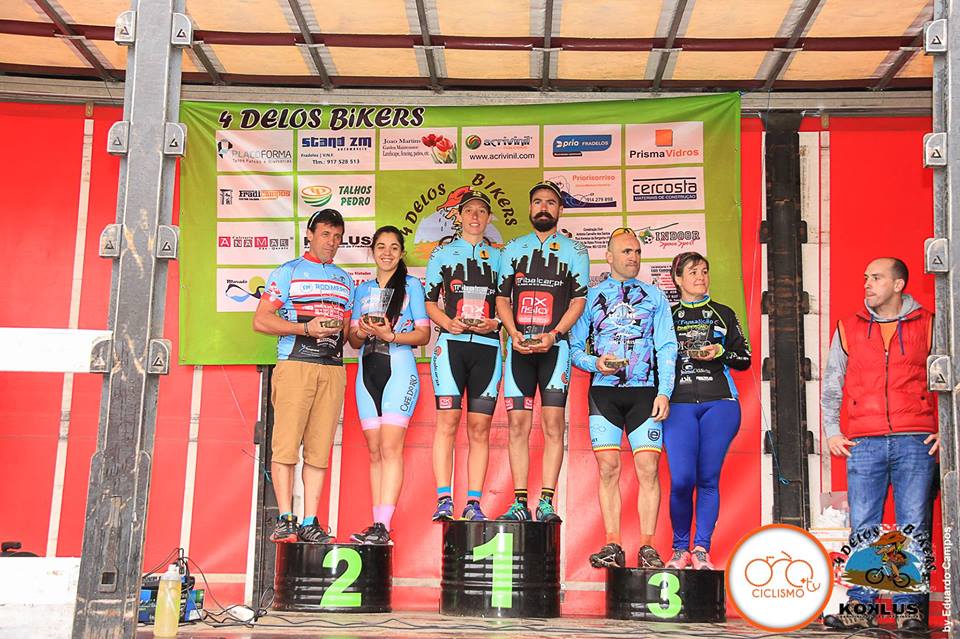
Em Fradelos vitória em duplas masculinas por Nuno Silva e Sérgio Nogueira e 2º lugar em duplas mistas para a dupla António Pinheiro e Daniela Araújo. Ainda nesta corrida de realçar a 13ª posição do atleta José Vilas Boas em Solos Masculinos (Master B).
Na prova em Roriz, em Santo Tirso, a AMVE venceu em duas distâncias, em Elites Masculinos, Bruno Carneiro na vertente dos 25kms e Davide Silva nos 35kms. De realçar ainda o 4º lugar do atleta Armindo Barbosa, nos 35kms, em Master 50.
Oitocentos militares burlam para ter óculos de sol Ray-Ban a custo zero, como se fossem graduados. Uma ótica em Gondomar é acusada de incentivar elementos da GNR e das Forças Armadas a enganar sistema de saúde com documentos falsos.
Os serviços de assistência na doença da GNR e das Forças Armadas foram vítimas de uma gigantesca burla, envolvendo cerca de 800 arguidos, que obtiveram óculos de sol de prestigiadas marcas à custa daqueles subsistemas de saúde. Segundo o Ministério Público, os militares, bem como familiares e amigos destes, terão sido aliciados pelos gerentes de um grupo de lojas de ótica do Grande Porto, que propunha um esquema de falsificação de documentos aos beneficiários do Instituto de Ação Social das Forças Armadas (IASFA) e Saúde e Assistência na Doença (SAD/GNR). Dos 800 arguidos, 745 assumiram culpa e beneficiaram da suspensão provisória do processo. O Ministério Público de Gondomar acaba de acusar 56 beneficiários dos serviços sociais de crimes de falsificação de documentos. Também indiciou três gerentes da ótica por burla qualificada e usurpação de funções.
As crianças e jovens foram convidados na passada sexta feira para uma surpresa, mas para isso tinham que entrar num jogo, que consistia em vendar os olhos e deixarem-se levar pelas técnicas do centro de atividades dos tempos livres e de estudos e animação juvenil (CATL/CEAJ).
Desafio aceite, puseram-se a caminho, meios desconfiados e muito atentos, procuravam pelos sons identificar o espaço onde os meteram. Mas como o pessoal que trabalha com eles só quer coisas boas, a surpresa era agradável de certeza. Convidados a tirar as vendas, a surpresa não podia ser melhor: um novo espaço para dar vivas à alegria e complementar atividades.
Para que isto acontecesse alguém teve que tomar a iniciativa. Por isso na nova visão estavam algumas caras desconhecidas. Eram pessoas da KW BUSINESS, que Deolinda Silva conseguiu cativar para esta iniciativa. Outra pessoa que estava radiante era Jorge Faria que de improviso disse: «o nosso muito obrigado à KW BUSINESS na pessoa de Deolinda Silva, que este ano escolheu a AML – Associação de Moradores das Lameiras, para oferecer um trabalho de voluntariado de um espaço à escolha da direção.
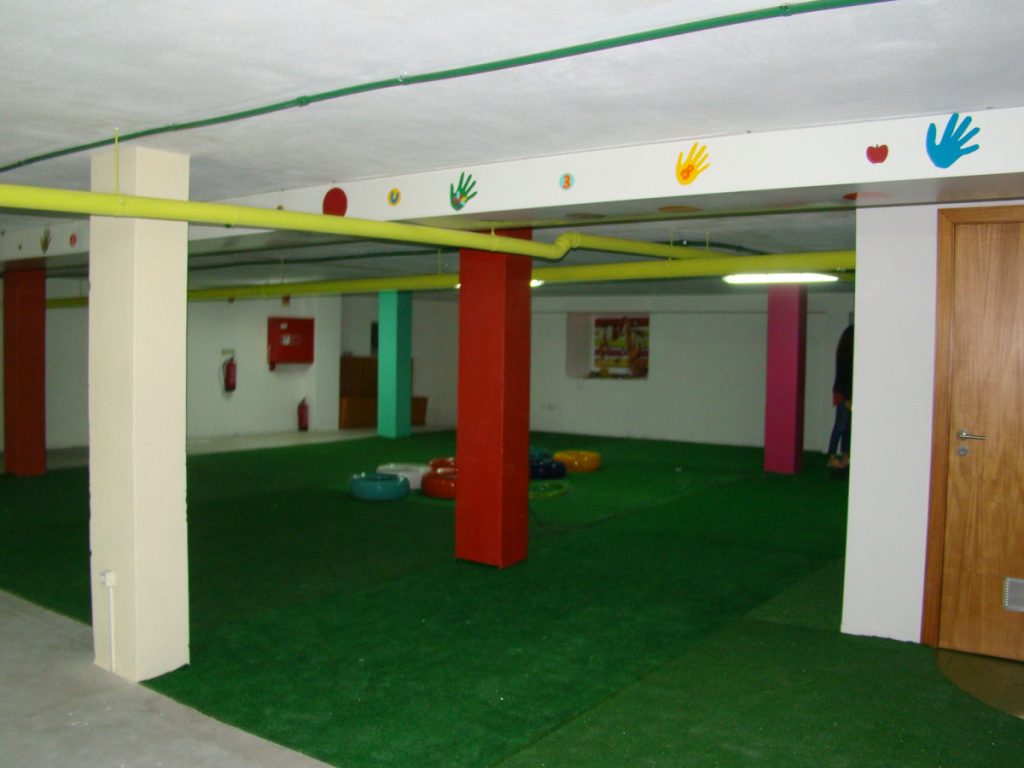
O espaço escolhido foi a cave do Centro Social. «Como podem ver está devidamente apetrechado, permite diversificar atividades, como: música, dança, teatro, acompanhamento ao estudo entre outras. Lançado o desafio, uma equipa de mais de duas dezenas de voluntários deitaram mãos à obra e em três dias apresentaram algo de muito especial e inovador», concluiu Jorge Faria e acrescentou: «Esta é uma prenda antecipada dos 34 anos que a AML celebra este mês e por isso só posso agradecer», concluiu.
O Grupo Desportivo de Natação de Famalicão, tem mais duas internacionalizações numa competição de elite, por intermédio dos nadadores João Tinoco e Afonso Cunha, nos Campeonatos do Mundo de Desporto Escolar – GYMNASIADE DA ISF (International School Sport Federation), realizados na cidade de Casablanca – Marrocos, de 02 a 09 de maio.
Em Casablanca os dois nadadores famalicenses estiveram em excelente nível elevando bem alto as cores da seleção nacional na sua mais importante participação internacional.
Para o seu treinador, Pedro Faia, “a natação famalicense é uma referência local e nacional, que foi reconhecida pelo Ministério da Educação – Desporto Escolar, com a importante seleção de dois nadadores para o prestigiado evento internacional. Para nós é um orgulho, e não podemos negar que a participação neste evento é fundamental para instituições envolvidas, o Grupo Desportivo de Natação de Famalicão e para as Escolas D. Sancho I e Camilo Castelo Branco, assim como para a cidade de Famalicão, projetando além-fronteiras o que de bom se faz na nossa cidade. É um excelente exemplo de cooperação institucional, com autenticação do Ministério da Educação, assim como a demonstração que a articulação entre a escola e o desporto deve estar fortemente vinculada. É esta forma de estar no desporto que defendemos e valorizamos, na procura do sucesso desportivo e académico, pois acreditamos que ambos estão umbilicalmente ligados. O João Tinoco e o Afonso Cunha são mais um extraordinário exemplo da filosofia desportiva do Clube, comprometendo o sucesso académico e desportivo, estando por isso solidários nesta integração, para o melhor êxito dos atletas!”
O secretário de Estado da Proteção Civil, José Artur Neves, garantiu, no passado sábado, em Vila Nova de Famalicão, que há financiamento comunitário disponível para a construção de bases de apoio logístico como a que os Bombeiros Voluntários Famalicenses pretendem construir num terreno cedido pela autarquia na freguesia de Outiz. No entanto, o governante não se quis comprometer e avançou que “só os melhores projetos serão contemplados”.
José Artur Neves esteve em Famalicão para inaugurar a primeira fase das obras de remodelação do Quartel da Associação Humanitária dos Bombeiros Voluntários Famalicenses e aproveitou para visitar o terreno onde os Bombeiros Voluntários Famalicenses pretendem criar a base de apoio logístico e onde avançarão em breve com a construção do seu centro de treinos.
Para o presidente da direção da corporação, António Meireles, a criação da base de apoio logístico em Famalicão “é um projeto que beneficia toda a gente. Não é só bom para a corporação, mas também para a região e para as empresas que procuram cada vez mais formação”.
Por sua vez, o presidente da Câmara Municipal de Vila Nova de Famalicão, Paulo Cunha, mostrou-se esperançoso que o Governo apoie os projetos dos Bombeiros Voluntários Famalicenses e que eles avancem “tão rapidamente quanto possível”. Da parte do município, o autarca lembrou que “o apoio atribuído anualmente aos corpos de bombeiros do concelho é fundamental para que realizem a sua ação e façam alguns investimentos”.
A Câmara Municipal de Vila Nova de Famalicão investe anualmente perto de meio milhão de euros nas corporações de bombeiros do concelho, equipa de sapadores florestais e núcleo da Cruz Vermelha de Ribeirão, através da atribuição de diversos apoios financeiros, fundamentais para a sua gestão.
Refira-se que as obras de reabilitação do quartel decorreram ao abrigo de uma candidatura apresentada a fundos europeus, num investimento total de 200 mil euros, contando com uma comparticipação na ordem dos 150 mil euros.
A intervenção envolveu um conjunto de obras de remodelação do espaço, com destaque para a criação da ala feminina do quartel, que vai dar resposta a um aumento significativo de mulheres no corpo ativo dos bombeiros. Além disso, foram também beneficiadas as cabines de comando.
Atualmente, o corpo ativo dos Bombeiros Voluntários Famalicenses é composto por 135 elementos, dos quais mais de 40 são mulheres.
O Centro Hospitalar do Médio Ave obteve um reconhecimento internacional de qualidade por uma entidade independente, o Caspe Healthcare Knowledge Systems(CHKS), um dos organismos internacionais de maior prestígio na área da Qualidade em Saúde, que acompanha e avalia muitas entidades em Portugal e no Estrangeiro.
Esta Acreditação decorre do processo de implementação de um conjunto abrangente de requisitos de qualidade e segurança, transversalmente a toda a Instituição e a todos os níveis de gestão e prestação de cuidados e que implicou uma avaliação rigorosa e exaustiva por auditores externos independentes a mais de 9000 pontos, em todos os Serviços do Centro Hospitalar.
Esta distinção é válida até Maio de 2020, com avaliações intercalares, e está já assumida pelo CHMA a adesão a um novo ciclo de Acreditação para que este processo seja contínuo, seja sustentável e se garanta robusto e consistente.
We and our [number_of_vendors] partners use cookies and other tracking technologies to store and access information on your device and to process your personal data.
With your consent, we and our partners may process personal data such as unique identifiers, browsing data, and precise geolocation data, including through device scanning. You can accept or reject all by clicking the buttons below, or customize your choices by clicking "Manage Settings".
Some of our partners process your data based on their legitimate interest. You have the right to object to this processing. You can manage these settings by clicking "Manage Settings" and reviewing the legitimate interest options for each purpose and vendor.
This consent applies to this website only. You can withdraw or change your consent at any time by clicking the floating "Cookie Preferences" button at the bottom-left corner of your screen.
Data Processing Purposes: Store and/or access information on a device (397 seeking consent); Use limited data to select advertising (278 seeking consent, 96 using legitimate interest); Create profiles for personalised advertising (294 seeking consent); Use profiles to select personalised advertising (300 seeking consent); Create profiles to personalise content (114 seeking consent); Use profiles to select personalised content (107 seeking consent); Measure advertising performance (300 seeking consent, 132 using legitimate interest); Measure content performance (138 seeking consent, 56 using legitimate interest); Understand audiences through statistics or combinations of data from different sources (198 seeking consent, 67 using legitimate interest); Develop and improve services (200 seeking consent, 107 using legitimate interest); Use limited data to select content (62 seeking consent, 22 using legitimate interest)
Special Features: Use precise geolocation data; Identify devices based on information actively requested
Review and customize your consent choices for purposes and vendors. You can grant or withdraw consent for each purpose and vendor individually, or use the buttons below to accept or reject all.
The choices you make regarding the purposes and entities listed in this notice are saved in your browser's localStorage and a cookie named "wpconsent_tcstring" for a maximum duration of 12 months.
Non-IAB TCF Categories
These categories are not part of the IAB Transparency & Consent Framework.
Essential cookies enable basic functions and are necessary for the proper function of the website.
Name
Description
Duration
IAB TC String
This cookie stores the IAB Transparency & Consent Framework consent string, recording the user's choices for IAB TCF purposes and vendors.
12 months
Cookie Preferences
This cookie is used to store the user's cookie consent preferences.
30 days
IAB TCF Purposes
These purposes are part of the IAB Transparency & Consent Framework.
Store and/or access information on a device (397 seeking consent)
Cookies, device or similar online identifiers (e.g. login-based identifiers, randomly assigned identifiers, network based identifiers) together with other information (e.g. browser type and information, language, screen size, supported technologies etc.) can be stored or read on your device to recognise it each time it connects to an app or to a website, for one or several of the purposes presented here.
Examples:
Most purposes explained in this notice rely on the storage or accessing of information from your device when you use an app or visit a website. For example, a vendor or publisher might need to store a cookie on your device during your first visit on a website, to be able to recognise your device during your next visits (by accessing this cookie each time).
Use limited data to select advertising (278 seeking consent, 96 using legitimate interest)
Advertising presented to you on this service can be based on limited data, such as the website or app you are using, your non-precise location, your device type or which content you are (or have been) interacting with (for example, to limit the number of times an ad is presented to you).
Examples:
A car manufacturer wants to promote its electric vehicles to environmentally conscious users living in the city after office hours. The advertising is presented on a page with related content (such as an article on climate change actions) after 6:30 p.m. to users whose non-precise location suggests that they are in an urban zone.
A large producer of watercolour paints wants to carry out an online advertising campaign for its latest watercolour range, diversifying its audience to reach as many amateur and professional artists as possible and avoiding showing the ad next to mismatched content (for instance, articles about how to paint your house). The number of times that the ad has been presented to you is detected and limited, to avoid presenting it too often.
Create profiles for personalised advertising (294 seeking consent)
Information about your activity on this service (such as forms you submit, content you look at) can be stored and combined with other information about you (for example, information from your previous activity on this service and other websites or apps) or similar users. This is then used to build or improve a profile about you (that might include possible interests and personal aspects). Your profile can be used (also later) to present advertising that appears more relevant based on your possible interests by this and other entities.
Examples:
If you read several articles about the best bike accessories to buy, this information could be used to create a profile about your interest in bike accessories. Such a profile may be used or improved later on, on the same or a different website or app to present you with advertising for a particular bike accessory brand. If you also look at a configurator for a vehicle on a luxury car manufacturer website, this information could be combined with your interest in bikes to refine your profile and make an assumption that you are interested in luxury cycling gear.
An apparel company wishes to promote its new line of high-end baby clothes. It gets in touch with an agency that has a network of clients with high income customers (such as high-end supermarkets) and asks the agency to create profiles of young parents or couples who can be assumed to be wealthy and to have a new child, so that these can later be used to present advertising within partner apps based on those profiles.
Use profiles to select personalised advertising (300 seeking consent)
Advertising presented to you on this service can be based on your advertising profiles, which can reflect your activity on this service or other websites or apps (like the forms you submit, content you look at), possible interests and personal aspects.
Examples:
An online retailer wants to advertise a limited sale on running shoes. It wants to target advertising to users who previously looked at running shoes on its mobile app. Tracking technologies might be used to recognise that you have previously used the mobile app to consult running shoes, in order to present you with the corresponding advertisement on the app.
A profile created for personalised advertising in relation to a person having searched for bike accessories on a website can be used to present the relevant advertisement for bike accessories on a mobile app of another organisation.
Create profiles to personalise content (114 seeking consent)
Information about your activity on this service (for instance, forms you submit, non-advertising content you look at) can be stored and combined with other information about you (such as your previous activity on this service or other websites or apps) or similar users. This is then used to build or improve a profile about you (which might for example include possible interests and personal aspects). Your profile can be used (also later) to present content that appears more relevant based on your possible interests, such as by adapting the order in which content is shown to you, so that it is even easier for you to find content that matches your interests.
Examples:
You read several articles on how to build a treehouse on a social media platform. This information might be added to a profile to mark your interest in content related to outdoors as well as do-it-yourself guides (with the objective of allowing the personalisation of content, so that for example you are presented with more blog posts and articles on treehouses and wood cabins in the future).
You have viewed three videos on space exploration across different TV apps. An unrelated news platform with which you have had no contact builds a profile based on that viewing behaviour, marking space exploration as a topic of possible interest for other videos.
Use profiles to select personalised content (107 seeking consent)
Content presented to you on this service can be based on your content personalisation profiles, which can reflect your activity on this or other services (for instance, the forms you submit, content you look at), possible interests and personal aspects. This can for example be used to adapt the order in which content is shown to you, so that it is even easier for you to find (non-advertising) content that matches your interests.
Examples:
You read articles on vegetarian food on a social media platform and then use the cooking app of an unrelated company. The profile built about you on the social media platform will be used to present you vegetarian recipes on the welcome screen of the cooking app.
You have viewed three videos about rowing across different websites. An unrelated video sharing platform will recommend five other videos on rowing that may be of interest to you when you use your TV app, based on a profile built about you when you visited those different websites to watch online videos.
Measure advertising performance (300 seeking consent, 132 using legitimate interest)
Information regarding which advertising is presented to you and how you interact with it can be used to determine how well an advert has worked for you or other users and whether the goals of the advertising were reached. For instance, whether you saw an ad, whether you clicked on it, whether it led you to buy a product or visit a website, etc. This is very helpful to understand the relevance of advertising campaigns.
Examples:
You have clicked on an advertisement about a “black Friday” discount by an online shop on the website of a publisher and purchased a product. Your click will be linked to this purchase. Your interaction and that of other users will be measured to know how many clicks on the ad led to a purchase.
You are one of very few to have clicked on an advertisement about an “international appreciation day” discount by an online gift shop within the app of a publisher. The publisher wants to have reports to understand how often a specific ad placement within the app, and notably the “international appreciation day” ad, has been viewed or clicked by you and other users, in order to help the publisher and its partners (such as agencies) optimise ad placements.
Measure content performance (138 seeking consent, 56 using legitimate interest)
Information regarding which content is presented to you and how you interact with it can be used to determine whether the (non-advertising) content e.g. reached its intended audience and matched your interests. For instance, whether you read an article, watch a video, listen to a podcast or look at a product description, how long you spent on this service and the web pages you visit etc. This is very helpful to understand the relevance of (non-advertising) content that is shown to you.
Examples:
You have read a blog post about hiking on a mobile app of a publisher and followed a link to a recommended and related post. Your interactions will be recorded as showing that the initial hiking post was useful to you and that it was successful in interesting you in the related post. This will be measured to know whether to produce more posts on hiking in the future and where to place them on the home screen of the mobile app.
You were presented a video on fashion trends, but you and several other users stopped watching after 30 seconds. This information is then used to evaluate the right length of future videos on fashion trends.
Understand audiences through statistics or combinations of data from different sources (198 seeking consent, 67 using legitimate interest)
Reports can be generated based on the combination of data sets (like user profiles, statistics, market research, analytics data) regarding your interactions and those of other users with advertising or (non-advertising) content to identify common characteristics (for instance, to determine which target audiences are more receptive to an ad campaign or to certain contents).
Examples:
The owner of an online bookstore wants commercial reporting showing the proportion of visitors who consulted and left its site without buying, or consulted and bought the last celebrity autobiography of the month, as well as the average age and the male/female distribution of each category. Data relating to your navigation on its site and to your personal characteristics is then used and combined with other such data to produce these statistics.
An advertiser wants to better understand the type of audience interacting with its adverts. It calls upon a research institute to compare the characteristics of users who interacted with the ad with typical attributes of users of similar platforms, across different devices. This comparison reveals to the advertiser that its ad audience is mainly accessing the adverts through mobile devices and is likely in the 45-60 age range.
Develop and improve services (200 seeking consent, 107 using legitimate interest)
Information about your activity on this service, such as your interaction with ads or content, can be very helpful to improve products and services and to build new products and services based on user interactions, the type of audience, etc. This specific purpose does not include the development or improvement of user profiles and identifiers.
Examples:
A technology platform working with a social media provider notices a growth in mobile app users, and sees based on their profiles that many of them are connecting through mobile connections. It uses a new technology to deliver ads that are formatted for mobile devices and that are low-bandwidth, to improve their performance.
An advertiser is looking for a way to display ads on a new type of consumer device. It collects information regarding the way users interact with this new kind of device to determine whether it can build a new mechanism for displaying advertising on this type of device.
Use limited data to select content (62 seeking consent, 22 using legitimate interest)
Content presented to you on this service can be based on limited data, such as the website or app you are using, your non-precise location, your device type, or which content you are (or have been) interacting with (for example, to limit the number of times a video or an article is presented to you).
Examples:
A travel magazine has published an article on its website about the new online courses proposed by a language school, to improve travelling experiences abroad. The school’s blog posts are inserted directly at the bottom of the page, and selected on the basis of your non-precise location (for instance, blog posts explaining the course curriculum for different languages than the language of the country you are situated in).
A sports news mobile app has started a new section of articles covering the most recent football games. Each article includes videos hosted by a separate streaming platform showcasing the highlights of each match. If you fast-forward a video, this information may be used to select a shorter video to play next.






 Em Fradelos vitória em duplas masculinas por Nuno Silva e Sérgio Nogueira e 2º lugar em duplas mistas para a dupla António Pinheiro e Daniela Araújo. Ainda nesta corrida de realçar a 13ª posição do atleta José Vilas Boas em Solos Masculinos (Master B).
 Na prova em Roriz, em Santo Tirso, a AMVE venceu em duas distâncias, em Elites Masculinos, Bruno Carneiro na vertente dos 25kms e Davide Silva nos 35kms. De realçar ainda o 4º lugar do atleta Armindo Barbosa, nos 35kms, em Master 50.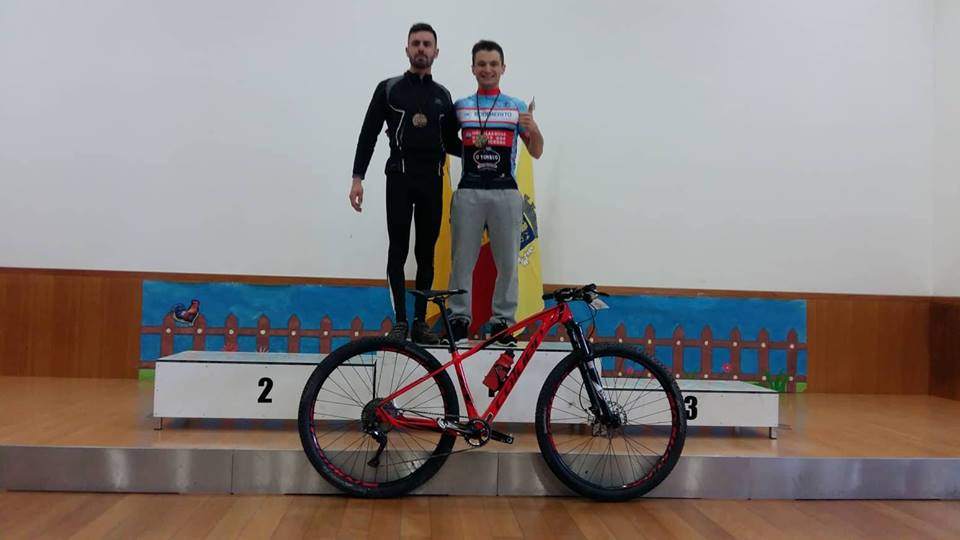
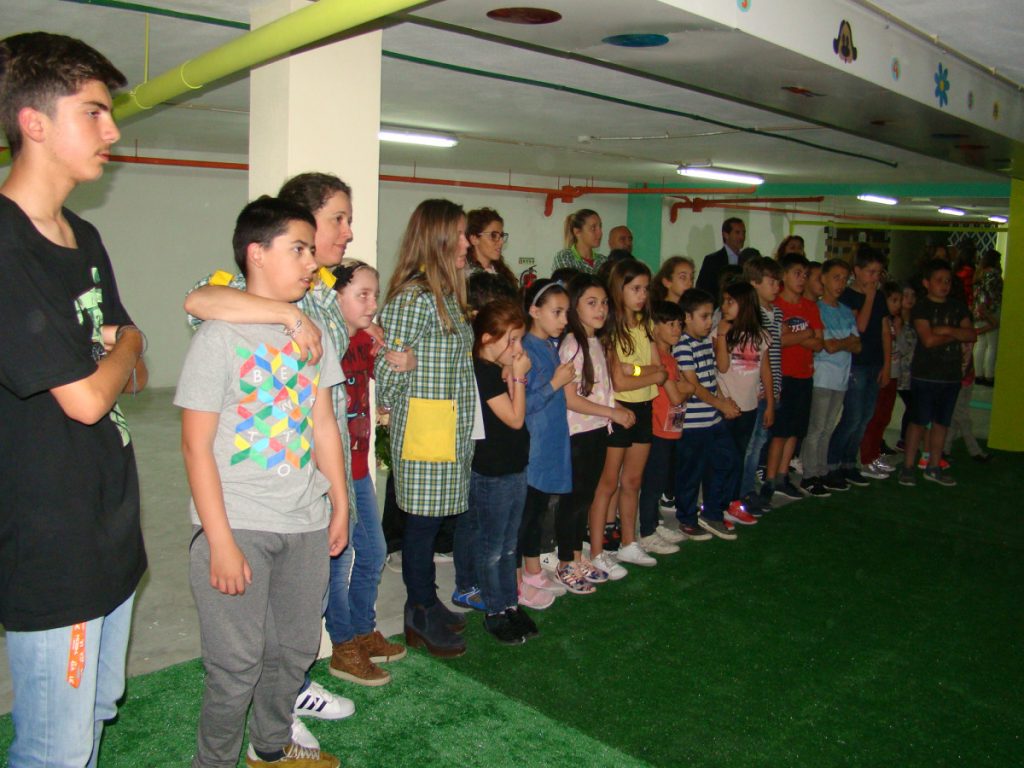 Para que isto acontecesse alguém teve que tomar a iniciativa. Por isso na nova visão estavam algumas caras desconhecidas. Eram pessoas da KW BUSINESS, que Deolinda Silva conseguiu cativar para esta iniciativa. Outra pessoa que estava radiante era Jorge Faria que de improviso disse: «o nosso muito obrigado à KW BUSINESS na pessoa de Deolinda Silva, que este ano escolheu a AML – Associação de Moradores das Lameiras, para oferecer um trabalho de voluntariado de um espaço à escolha da direção.
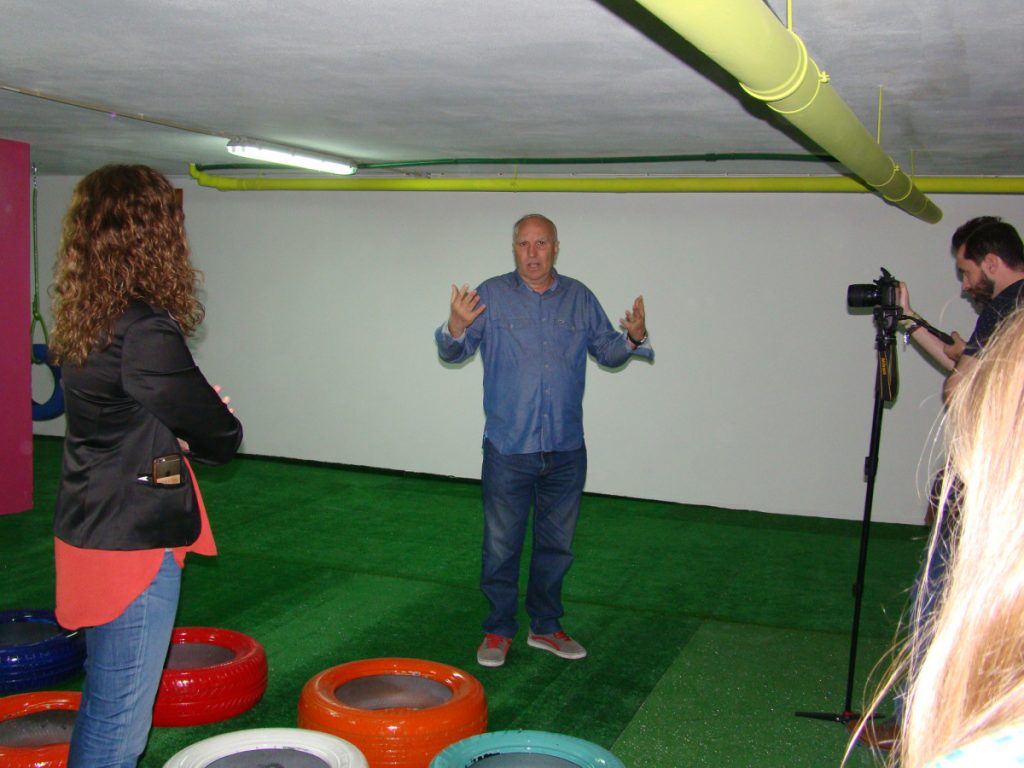 O espaço escolhido foi a cave do Centro Social. «Como podem ver está devidamente apetrechado, permite diversificar atividades, como: música, dança, teatro, acompanhamento ao estudo entre outras. Lançado o desafio, uma equipa de mais de duas dezenas de voluntários deitaram mãos à obra e em três dias apresentaram algo de muito especial e inovador», concluiu Jorge Faria e acrescentou: «Esta é uma prenda antecipada dos 34 anos que a AML celebra este mês e por isso só posso agradecer», concluiu.