Um homem de 33 anos foi detido na madrugada desta terça-feira, depois de ter sido apanhado em flagrante, no interior de um café, localizado nas galerias comercias com acesso a partir das Ruas Alves Roçadas e Adriano Pinto Basto, no centro da cidade de Vila Nova de Famalicão.
O assaltante, depois de detido e levado para a esquadra, saiu em liberdade com a obrigatoriedade de comparecer no tribunal.
No entanto, o homem, assim que abandonou a esquadra voltou ao local do crime para concluir o assalto.
O ladrão, que ainda se manteve no interior do espaço durante algum tempo, para além de fazer uso da casa de banho e da arca frigorifica, espalhou comida pelo café e pela galeria comercial, levando consigo algumas bebidas.
A GNR recuperou material furtado que estava numa loja de luz e som e deteve dois presumíveis suspeitos.
O furto do material terá ocorrido no dia 9 de abril, numa armazém em Paredes, de onde foram levados aparelhos de luz e som.
Esta terça-feira, dia 21 de julho, a GNR identificou em Famalicão dois homens, um dos quais o proprietário da loja.
Foram recuperados quatro robots de luz e duas placas de equalizador. O material pertence a uma empresa de realização de espetáculos musicais.
Os factos foram remetidos ao Tribunal Judicial de Paredes.
Empresa nega responsabilidades
Responsáveis da loja, em declarações à Cidade Hoje, negam qualquer envolvimento no esquema do material furtado. Explicam que, sendo uma loja de reparação de material de luz e som, têm clientes de diversos pontos do país e não são, por isso, responsáveis pela origem do material que é entregue para reparação.
A empresa de calçado ACO Shoes investiu 350 mil euros na instalação de um sistema de painéis solares que vão permitir uma poupança de 35% na fatura energética. A empresa tinha uma fatura anual na ordem dos 200 mil euros, vê reduzida a fatura em cerca de 70 mil euros.
«É um investimento que assume duas vertentes distintas: representa uma melhoria na eficiência financeira da empresa – com uma economia da fatura energética na ordem dos 35% – e representa uma aposta na energia limpa, que faz diminuir a pegada ecológica da ACO, sendo, portanto, uma decisão com consequências muito positivas para o meio ambiente», explica Armindo Costa, fundador e presidente da fábrica famalicense.
Recorde-se que a ACO Shoes, com sede em Mogege, é líder em Portugal na produção e exportação de calçado feminino de conforto. Fundada em 1975, a empresa emprega 400 pessoas, tendo duas unidades de apoio à produção de calçado suas participadas, a ECCO Conforto, no município de Ponte de Lima, e a ICCO, na ilha de S. Vicente, em Cabo Verde, que contam com 150 e 260 trabalhadores, respetivamente.
Anualmente, saem da fábrica de Vila Nova de Famalicão 1,5 milhões de pares de sapatos (mais de 5 mil pares por cada dia útil), que são vendidos em mais de 30 países dos vários continentes.
A Associação de Futebol de Braga comunicou, esta terça-feira, o valor das quotas associativas de participação em competições oficiais de futebol 11, futebol 9 e futebol 7 e futsal.
Os valores, que vigorarão na próxima época desportiva, podem ser consultados na tabela abaixo:
Quota Anual de Associado: igual para todos os clubes e entidades filiados – 60€
Quota Associativa de Participação nas Competições Oficiais. Os clubes participantes em competições oficiais distritais, organizadas pela AF Braga, terão a seguinte comparticipação
Clubes e Entidades da I Liga 1900€
Clubes e Entidades da II Liga 1200€
Clubes e Entidades do Campeonato de Portugal 860€
Clubes e Entidades do Campeonato Nacional 1ª Divisão Feminino 450€
Clubes e Entidades do Campeonato Nacional 2ª Divisão Feminino
350€
Clubes e Entidades do Campeonato Nacional 3ª Divisão Feminino
250€
Clubes e Entidades da Divisão Distrital Pró-Nacional 550€
Clubes e Entidades da Divisão de Honra Distrital
400€
Clubes e Entidades da 1ª Divisão Distrital 300€
Clubes e Entidades que participam apenas em Provas de Juniores Distritais
480€
Clubes e Entidades que participam apenas em Provas de Juvenis e Iniciados Distritais 380€
Clubes e Entidades que participam apenas em Provas de Infantis e Benjamins 280€
Quota por cada equipa de Futebol de 11, Futebol de 9 ou Futebol de 7 a mais para além da categoria principal em que o Clube se inscreve:
Quando se estabeleceu em Portugal em 2016, o Bankinter definiu como prioridade a proximidade com os seus clientes, uma decisão estratégica que ganhou ainda mais relevância em tempos de pandemia de COVID-19.
O Bankinter, fundado em 1965 e que é hoje uma das Instituições Bancárias mais sólidas da Europa, foi um dos primeiros bancos a implementar um conjunto de medidas extraordinárias para apoiar as famílias e as empresas a mitigarem os efeitos económicos e financeiros provocados pela pandemia.
Para além do reforço imediato da capacidade de atendimento da Banca Telefónica, Digital e das equipas e meios tecnológicos, de forma a continuar a servir os clientes nas agências e remotamente, foram implementados mecanismos de moratórias dos empréstimos, condições para isenção da cobrança de comissões, para além da adesão a linhas de financiamento específicas COVID-19.
Neste período, foram ainda lançados diversos produtos e serviços inovadores, com destaque para a abertura de conta através de dispositivos móveis e, ainda, o canal do Bankinter no WhatsApp.
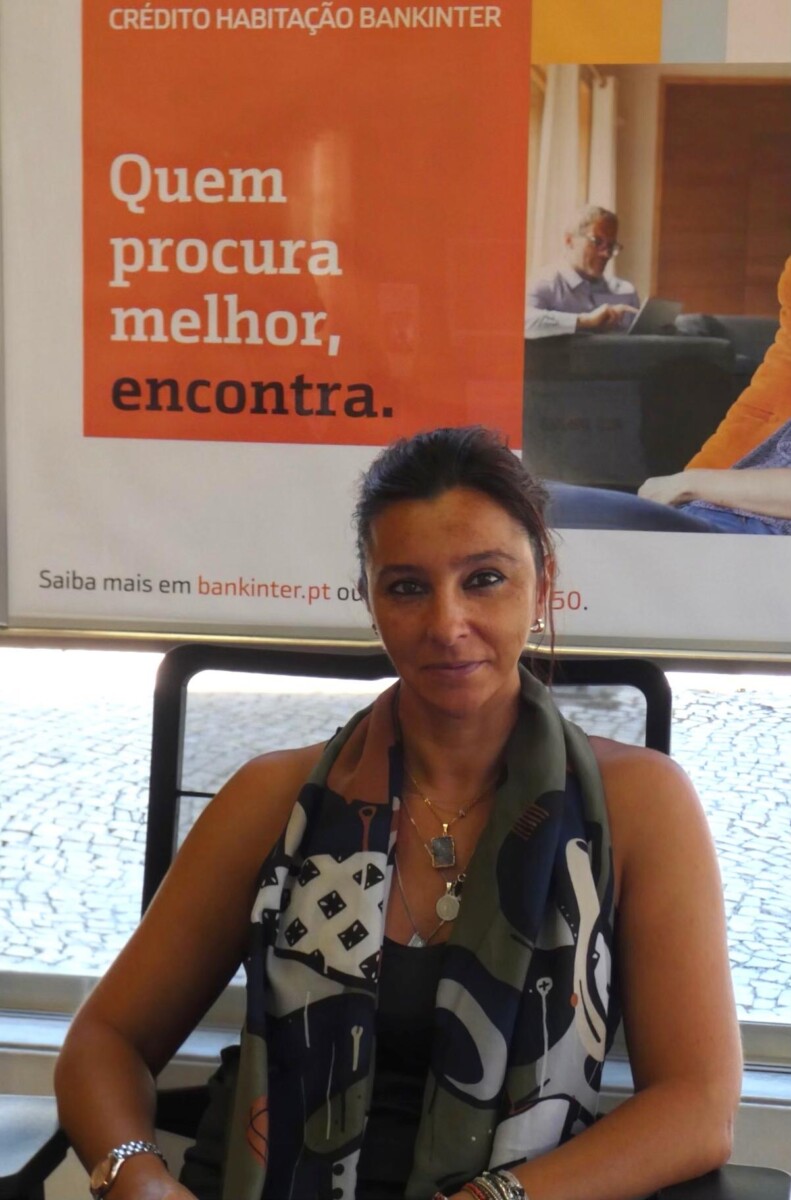
“De facto, mesmo no pico da pandemia, o Bankinter não parou, pois é nestes momentos que os nossos clientes mais precisam do nosso apoio, aconselhamento e soluções inovadoras e flexíveis, de forma a ultrapassarem esta situação tão complexa”, revela Angela Ferreira, diretora da agência do Bankinter em Famalicão, que está situada R. Adriano Pinto Basto, 195, junto à Camara Municipal, servindo clientes particulares e empresariais.
A responsável adianta que “a equipa do Bankinter está totalmente ao lado dos clientes famalicenses, nos bons e nos maus momentos. Os nossos gestores são muito experientes e conhecem bem as necessidades da região, pelo que estamos totalmente preparados para continuar a apoiar os particulares e empresas a retomarem os seus projetos e ambições”.
“Talvez tenha sido justamente devido a esta postura, transversal a todo o Banco, que o Bankinter foi eleito Melhor Banco pela ‘Escolha do Consumidor’ no início do ano, uma distinção que veio confirmar todo o empenho que temos em prestar serviços bancários de qualidade”, acrescenta.
De acordo com Ângela Ferreira, “os clientes reconhecem que a nossa proposta de valor é verdadeiramente diferenciadora e, se é certo que ainda não se ultrapassou esta crise sanitária e económica, também é tempo de olhar para o futuro e retomar planos e projetos que ficaram em suspenso”. Acrescentou ainda que “para isso, o Bankinter conta com uma oferta abrangente, que vai desde o Crédito Habitação Taxa Fixa Bankinter – a solução mais competitiva do mercado que permite aos clientes fixarem a taxa do seu crédito em valores historicamente baixos -, à Conta Mais Ordenado que, sem comissões e com uma remuneração dos depósitos de 5% no primeiro ano, foi reconhecida com o prémio ‘Cinco Estrelas’ pelo terceiro ano consecutivo”.
Respostas certas no momento certo para as empresas famalicenses
Dado o seu papel essencial na dinamização da economia e geração de emprego, as empresas famalicenses são essenciais para a recuperação económica do concelho, da região e do país, razão pela qual o segmento de Clientes de Negócios é uma das áreas que o Bankinter considera essencial apoiar, seja no seu financiamento ou no apoio à internacionalização e às exportações.
Para Ângela Ferreira, “a diversidade e inovação das soluções de financiamento Bankinter e o know-how e experiência da equipa de Famalicão fazem com que estejamos prontos para apoiar as nossas empresas a retomarem a sua trajetória de sucesso”.
O Bankinter “procura conhecer a fundo as necessidades e desafios dos empresários e gestores de forma a apresentar uma oferta de soluções integradas, com especial incidência em setores estruturantes para a região, nomeadamente a indústria, de quem estamos muito próximos”.
De facto, “desde a Gestão de Tesouraria ao apoio ao Negócio Internacional, passando pela Banca de Investimento, os gestores e empresários famalicenses sabem que encontram no Bankinter respostas certas no momento certo”, explica Angela Ferreira. Deu o exemplo do novo Crédito Multilinha, “que permite o acesso a diversas soluções de financiamento através de um único contrato e com um limite global de crédito” ou do novo serviço inovador de “Depósito de Cheques à Distância, que permite ao cliente empresa efetuar o depósito de Cheques, sem necessidade de deslocações diárias à agência”.
PPR Bankinter com uma rentabilidade de 16,5%, a mais alta do mercado
Numa época de juros baixos nos depósitos a prazo, o Bankinter disponibiliza aos seus clientes um portfolio de soluções de investimento diferenciadoras, beneficiando da elevada especialização dos seus Investment Advisors, dos serviços de Research e da sua Gestora de Ativos.
Neste contexto, Ângela Ferreira salienta que “o PPR Bankinter 75 PPR Classe B foi o mais rentável do mercado em 2019, alcançando o 1º lugar do ranking da Associação Portuguesa de Fundos de Investimento, Pensões e Patrimónios, com uma rentabilidade anual de 16,5% em 2019”.
Acrescentou, por outro lado, que “em Famalicão, contamos com Gestores Premier, que prestam um serviço personalizado, baseado no conhecimento das características dos nossos Clientes, o que nos permite disponibilizar as soluções mais adequadas para cada perfil de investimento e oferecer um aconselhamento financeiro de excelência”, refere Ângela Ferreira, “acrescentado que os clientes têm também à sua disposição o Centro de Private Banking do Porto e respetivos Private Bankers que se deslocam com regularidade se deslocam ao concelho”.
Relativamente a Soluções de Financiamento e Soluções de Investimento dirigidas a clientes Private e Premier, o Bankinter apresenta uma proposta de valor abrangente e muito competitiva, com especial destaque para os Serviços de Gestão de Patrimónios, via mandato ou Seguro Unit Link, e para a sua gama de fundos perfilados PPR, a que acresce uma oferta superior a 800 Fundos de Investimento, de mais de 20 sociedades gestoras internacionais.
Cobertura nacional e internacional
À equipa de Famalicão somam-se os serviços dos quatro Centros de Private Banking, quatro Centros dedicados a Médias Empresas, totalizando dez por todo o país, dois Centros Corporate em Lisboa e Porto e uma rede nacional composta por 81 agências. A nível internacional, o Bankinter está presente em Espanha, no Luxemburgo e na Irlanda.
Segundo a diretora da agência de Famalicão, “a marca Bankinter é cada vez mais reconhecida e recomendada em todo o país. Prova disso, é o facto de cada vez mais clientes escolherem trabalhar com o Bankinter”, conclui, deixando uma mensagem de confiança: “estivemos junto dos nossos clientes na tempestade e vamos continuar a estar na bonança”.
Últimas Noticias
Concelho
Cookie Consent
We and our [number_of_vendors] partners use cookies and other tracking technologies to store and access information on your device and to process your personal data.
With your consent, we and our partners may process personal data such as unique identifiers, browsing data, and precise geolocation data, including through device scanning. You can accept or reject all by clicking the buttons below, or customize your choices by clicking "Manage Settings".
Some of our partners process your data based on their legitimate interest. You have the right to object to this processing. You can manage these settings by clicking "Manage Settings" and reviewing the legitimate interest options for each purpose and vendor.
This consent applies to this website only. You can withdraw or change your consent at any time by clicking the floating "Cookie Preferences" button at the bottom-left corner of your screen.
Data Processing Purposes: Store and/or access information on a device (397 seeking consent); Use limited data to select advertising (278 seeking consent, 96 using legitimate interest); Create profiles for personalised advertising (293 seeking consent); Use profiles to select personalised advertising (299 seeking consent); Create profiles to personalise content (114 seeking consent); Use profiles to select personalised content (107 seeking consent); Measure advertising performance (301 seeking consent, 131 using legitimate interest); Measure content performance (139 seeking consent, 55 using legitimate interest); Understand audiences through statistics or combinations of data from different sources (199 seeking consent, 67 using legitimate interest); Develop and improve services (200 seeking consent, 107 using legitimate interest); Use limited data to select content (62 seeking consent, 22 using legitimate interest)
Special Features: Use precise geolocation data; Identify devices based on information actively requested
Review and customize your consent choices for purposes and vendors. You can grant or withdraw consent for each purpose and vendor individually, or use the buttons below to accept or reject all.
The choices you make regarding the purposes and entities listed in this notice are saved in your browser's localStorage and a cookie named "wpconsent_tcstring" for a maximum duration of 12 months.
Non-IAB TCF Categories
These categories are not part of the IAB Transparency & Consent Framework.
Essential cookies enable basic functions and are necessary for the proper function of the website.
Name
Description
Duration
IAB TC String
This cookie stores the IAB Transparency & Consent Framework consent string, recording the user's choices for IAB TCF purposes and vendors.
12 months
Cookie Preferences
This cookie is used to store the user's cookie consent preferences.
30 days
IAB TCF Purposes
These purposes are part of the IAB Transparency & Consent Framework.
Store and/or access information on a device (397 seeking consent)
Cookies, device or similar online identifiers (e.g. login-based identifiers, randomly assigned identifiers, network based identifiers) together with other information (e.g. browser type and information, language, screen size, supported technologies etc.) can be stored or read on your device to recognise it each time it connects to an app or to a website, for one or several of the purposes presented here.
Examples:
Most purposes explained in this notice rely on the storage or accessing of information from your device when you use an app or visit a website. For example, a vendor or publisher might need to store a cookie on your device during your first visit on a website, to be able to recognise your device during your next visits (by accessing this cookie each time).
Use limited data to select advertising (278 seeking consent, 96 using legitimate interest)
Advertising presented to you on this service can be based on limited data, such as the website or app you are using, your non-precise location, your device type or which content you are (or have been) interacting with (for example, to limit the number of times an ad is presented to you).
Examples:
A car manufacturer wants to promote its electric vehicles to environmentally conscious users living in the city after office hours. The advertising is presented on a page with related content (such as an article on climate change actions) after 6:30 p.m. to users whose non-precise location suggests that they are in an urban zone.
A large producer of watercolour paints wants to carry out an online advertising campaign for its latest watercolour range, diversifying its audience to reach as many amateur and professional artists as possible and avoiding showing the ad next to mismatched content (for instance, articles about how to paint your house). The number of times that the ad has been presented to you is detected and limited, to avoid presenting it too often.
Create profiles for personalised advertising (293 seeking consent)
Information about your activity on this service (such as forms you submit, content you look at) can be stored and combined with other information about you (for example, information from your previous activity on this service and other websites or apps) or similar users. This is then used to build or improve a profile about you (that might include possible interests and personal aspects). Your profile can be used (also later) to present advertising that appears more relevant based on your possible interests by this and other entities.
Examples:
If you read several articles about the best bike accessories to buy, this information could be used to create a profile about your interest in bike accessories. Such a profile may be used or improved later on, on the same or a different website or app to present you with advertising for a particular bike accessory brand. If you also look at a configurator for a vehicle on a luxury car manufacturer website, this information could be combined with your interest in bikes to refine your profile and make an assumption that you are interested in luxury cycling gear.
An apparel company wishes to promote its new line of high-end baby clothes. It gets in touch with an agency that has a network of clients with high income customers (such as high-end supermarkets) and asks the agency to create profiles of young parents or couples who can be assumed to be wealthy and to have a new child, so that these can later be used to present advertising within partner apps based on those profiles.
Use profiles to select personalised advertising (299 seeking consent)
Advertising presented to you on this service can be based on your advertising profiles, which can reflect your activity on this service or other websites or apps (like the forms you submit, content you look at), possible interests and personal aspects.
Examples:
An online retailer wants to advertise a limited sale on running shoes. It wants to target advertising to users who previously looked at running shoes on its mobile app. Tracking technologies might be used to recognise that you have previously used the mobile app to consult running shoes, in order to present you with the corresponding advertisement on the app.
A profile created for personalised advertising in relation to a person having searched for bike accessories on a website can be used to present the relevant advertisement for bike accessories on a mobile app of another organisation.
Create profiles to personalise content (114 seeking consent)
Information about your activity on this service (for instance, forms you submit, non-advertising content you look at) can be stored and combined with other information about you (such as your previous activity on this service or other websites or apps) or similar users. This is then used to build or improve a profile about you (which might for example include possible interests and personal aspects). Your profile can be used (also later) to present content that appears more relevant based on your possible interests, such as by adapting the order in which content is shown to you, so that it is even easier for you to find content that matches your interests.
Examples:
You read several articles on how to build a treehouse on a social media platform. This information might be added to a profile to mark your interest in content related to outdoors as well as do-it-yourself guides (with the objective of allowing the personalisation of content, so that for example you are presented with more blog posts and articles on treehouses and wood cabins in the future).
You have viewed three videos on space exploration across different TV apps. An unrelated news platform with which you have had no contact builds a profile based on that viewing behaviour, marking space exploration as a topic of possible interest for other videos.
Use profiles to select personalised content (107 seeking consent)
Content presented to you on this service can be based on your content personalisation profiles, which can reflect your activity on this or other services (for instance, the forms you submit, content you look at), possible interests and personal aspects. This can for example be used to adapt the order in which content is shown to you, so that it is even easier for you to find (non-advertising) content that matches your interests.
Examples:
You read articles on vegetarian food on a social media platform and then use the cooking app of an unrelated company. The profile built about you on the social media platform will be used to present you vegetarian recipes on the welcome screen of the cooking app.
You have viewed three videos about rowing across different websites. An unrelated video sharing platform will recommend five other videos on rowing that may be of interest to you when you use your TV app, based on a profile built about you when you visited those different websites to watch online videos.
Measure advertising performance (301 seeking consent, 131 using legitimate interest)
Information regarding which advertising is presented to you and how you interact with it can be used to determine how well an advert has worked for you or other users and whether the goals of the advertising were reached. For instance, whether you saw an ad, whether you clicked on it, whether it led you to buy a product or visit a website, etc. This is very helpful to understand the relevance of advertising campaigns.
Examples:
You have clicked on an advertisement about a “black Friday” discount by an online shop on the website of a publisher and purchased a product. Your click will be linked to this purchase. Your interaction and that of other users will be measured to know how many clicks on the ad led to a purchase.
You are one of very few to have clicked on an advertisement about an “international appreciation day” discount by an online gift shop within the app of a publisher. The publisher wants to have reports to understand how often a specific ad placement within the app, and notably the “international appreciation day” ad, has been viewed or clicked by you and other users, in order to help the publisher and its partners (such as agencies) optimise ad placements.
Measure content performance (139 seeking consent, 55 using legitimate interest)
Information regarding which content is presented to you and how you interact with it can be used to determine whether the (non-advertising) content e.g. reached its intended audience and matched your interests. For instance, whether you read an article, watch a video, listen to a podcast or look at a product description, how long you spent on this service and the web pages you visit etc. This is very helpful to understand the relevance of (non-advertising) content that is shown to you.
Examples:
You have read a blog post about hiking on a mobile app of a publisher and followed a link to a recommended and related post. Your interactions will be recorded as showing that the initial hiking post was useful to you and that it was successful in interesting you in the related post. This will be measured to know whether to produce more posts on hiking in the future and where to place them on the home screen of the mobile app.
You were presented a video on fashion trends, but you and several other users stopped watching after 30 seconds. This information is then used to evaluate the right length of future videos on fashion trends.
Understand audiences through statistics or combinations of data from different sources (199 seeking consent, 67 using legitimate interest)
Reports can be generated based on the combination of data sets (like user profiles, statistics, market research, analytics data) regarding your interactions and those of other users with advertising or (non-advertising) content to identify common characteristics (for instance, to determine which target audiences are more receptive to an ad campaign or to certain contents).
Examples:
The owner of an online bookstore wants commercial reporting showing the proportion of visitors who consulted and left its site without buying, or consulted and bought the last celebrity autobiography of the month, as well as the average age and the male/female distribution of each category. Data relating to your navigation on its site and to your personal characteristics is then used and combined with other such data to produce these statistics.
An advertiser wants to better understand the type of audience interacting with its adverts. It calls upon a research institute to compare the characteristics of users who interacted with the ad with typical attributes of users of similar platforms, across different devices. This comparison reveals to the advertiser that its ad audience is mainly accessing the adverts through mobile devices and is likely in the 45-60 age range.
Develop and improve services (200 seeking consent, 107 using legitimate interest)
Information about your activity on this service, such as your interaction with ads or content, can be very helpful to improve products and services and to build new products and services based on user interactions, the type of audience, etc. This specific purpose does not include the development or improvement of user profiles and identifiers.
Examples:
A technology platform working with a social media provider notices a growth in mobile app users, and sees based on their profiles that many of them are connecting through mobile connections. It uses a new technology to deliver ads that are formatted for mobile devices and that are low-bandwidth, to improve their performance.
An advertiser is looking for a way to display ads on a new type of consumer device. It collects information regarding the way users interact with this new kind of device to determine whether it can build a new mechanism for displaying advertising on this type of device.
Use limited data to select content (62 seeking consent, 22 using legitimate interest)
Content presented to you on this service can be based on limited data, such as the website or app you are using, your non-precise location, your device type, or which content you are (or have been) interacting with (for example, to limit the number of times a video or an article is presented to you).
Examples:
A travel magazine has published an article on its website about the new online courses proposed by a language school, to improve travelling experiences abroad. The school’s blog posts are inserted directly at the bottom of the page, and selected on the basis of your non-precise location (for instance, blog posts explaining the course curriculum for different languages than the language of the country you are situated in).
A sports news mobile app has started a new section of articles covering the most recent football games. Each article includes videos hosted by a separate streaming platform showcasing the highlights of each match. If you fast-forward a video, this information may be used to select a shorter video to play next.