As más condições climatéricas obrigaram ao cancelamento dos jogos da 3ªJornada e Fase Final do Torneio Cidade de Famalicão no escalão de SUB 11, que decorria no complexo desportivo municipal.
A muita chuva, baixas temperaturas e razões de segurança levaram a organização a decidir pelo cancelamento dos jogos agendados para a tarde desta sexta-feira. A competição, já com duas jornadas disputadas, vai ser retomada em data a designar.
O Torneio Cidade de Famalicão prossegue este sábado com a realização da competição destinada ao escalão de SUB 13.
O Conselho Regional do Norte acusou esta quinta feira o Governo de querer «desviar» 200 milhões de euros afetos à região pelo Portugal 2020 para pagar «despesas correntes» que entendem serem de assegurar através do Orçamento do Estado.
Em declarações aos jornalistas, no final de uma reunião daquele organismo, em Santo Tirso, o presidente do Conselho Regional do Norte, Paulo Cunha, alertou mesmo que a opção do executivo de usar a reprogramação dos fundos comunitários para «alocar» verbas destinadas ao investimento no Norte a um fundo nacional «viola as normas comunitárias».
Na reunião de Santo Tirso «foi submetida e aprovada uma proposta que rejeita liminar e frontalmente uma vontade veiculada pela Comissão Interna Ministerial (…) que apontava no sentido de, no âmbito da reprogramação [do Portugal 2020], alocar 200 milhões de euros a um fundo de coesão, no caso concreto a fundo europeu que se prendia com intervenção na área de ação social escolar, e outras intervenções de despesa corrente», explicou o também autarca de Vila Nova de Famalicão. Aquela verba, «na perspetiva da Comissão de Desenvolvimento Regional do Norte (CCDR-N) devia estar afeta a investimento na região», segundo Paulo Cunha.
Para os autarcas do Norte, «isto, no fundo, é um desvio. É retirar um envelope com mais de 200 milhões de euros, que estava ao serviço do Norte e das prioridades do Norte, colocando-o ao serviço daquilo que é a ação do Governo».
Paulo Cunha defendeu que os 200 milhões euros «devem ficar no Norte» e ironizou que, «daqui a pouco, só falta que os salários da Função Pública também sejam pagos pelo quadro comunitário». «O Governo quererá que a reprogramação em curso seja consensual, quererá não desvirtuar o quadro comunitário. Estou certo que Bruxelas estará perspetiva que aquilo que Governo pretende viola as normas comunitárias que são aplicada a esta situação e parece-me que isso seja suficiente para que haja uma inflexão», disse.
Os autarcas e entidades presentes no Conselho Regional do Norte salientam que não está em causa reclamar mais dinheiro para a região, conforme acentuou Paulo Cunha.
Na reflexão que fez após o rito do “Lava-Pés”, D. Jorge Ortiga lembrou, com base no alerta de diversas instituições, que o número de unidades de cuidados paliativos e continuados «é insuficiente» para acolher todos os doentes oncológicos ou em fase terminal. «O número de casos de cancro e de doença crónica tem aumentado, os pedidos de ajuda têm crescido e, infelizmente, as respostas sociais não dão uma resposta cabal a esta nova realidade», avisou.
Assim, o prelado defendeu que deve haver maior investimento neste setor, ainda que, «infelizmente se continue a assistir a opções ideológicas e economicistas que olham para pessoas como meros números». «Nenhum esforço, humano ou económico, é inútil neste setor. Pelo contrário, é uma necessidade imperiosa», realçou.
O prelado, que presidiu à celebração acompanhado pelo bispo auxiliar de Braga D. Nuno Almeida e pelos capitulares da Sé, lembrou também os idosos e as «fragilidades típicas desta idade às quais as instituições devem fazer um «esforço acrescido» para dar resposta. «Uma sociedade que se desresponsabiliza de tratar, com competência e ternura, os seus irmãos é uma sociedade desumana», afirmou.
Diante de uma assembleia numerosa que lotou a Sé Catedral de Braga, o Arcebispo de Braga exortou, assim, os cristãos a assumirem o compromisso de «humanizar» a “última hora” de quem se encontra em cuidados continuados ou paliativos. No dia do «mandato do amor» e da institução da Eucaristia, D. Jorge Ortiga quis, desta forma, prestar «homenagem e gratidão» a todos quantos cuidam dos idosos e
doentes terminais.
É já a partir de 1 de abril (data oficial) que deverá proceder à entrega do seu IRS. No entanto, a funcionalidade já está disponível no Portal das Finanças e nesse sentido já pode espreitar se vai pagar ou receber no que diz respeito ao IRS 2017.
Sendo a data oficial de entrega apenas em abril, recomenda-se que só submeta a declaração apenas a partir de domingo (1 de abril).
Está curioso para saber se este ano (relativamente ao 2017) vai pagar ou receber no que diz respeito ao IRS? A resposta já pode ser obtida oficialmente uma vez que já é possível simular o IRS respeitante ao ano de 2017. Mais uma vez alertamos para o facto de não submeterem já a declaração, uma vez que ainda estamos fora do “período oficial”.
Como saber se vai pagar ou receber?
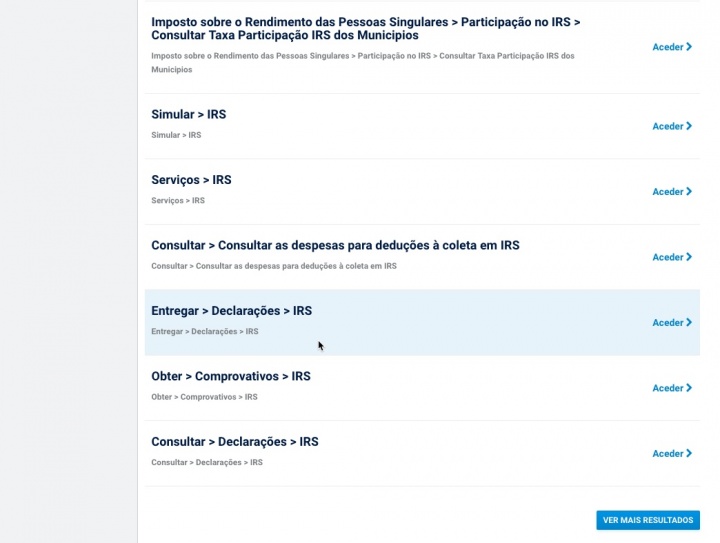
Para saber já se vai ter mais uns euros na sua conta ou se vai ter de desembolsar, deverá autenticar-se no Portal das Finanças e depois procurar por IRS. Em seguida escolha a opção Entregar > Declarações > IRS.
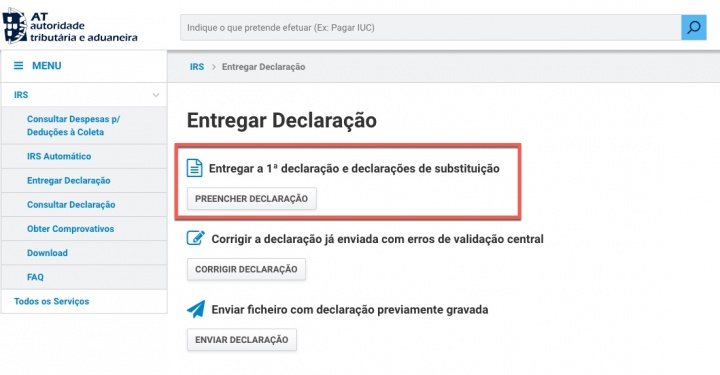
Em seguida, escolham a opção Entregar a 1.ª declaração e declarações de substituição: Preencher Declaração.
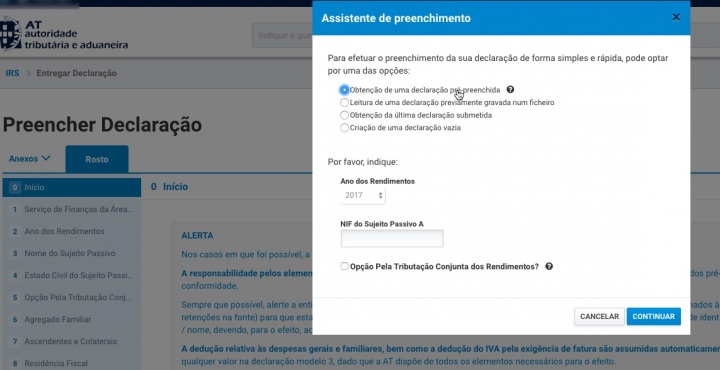
Indiquem se pretendem uma declaração pré-preenchida ou escolham uma das outras opções. Devem ainda selecionar 2017 no campo Ano dos Rendimentos. Por fim indiquem o vosso NIF. Podem ainda escolher que pretendem a tributação Conjunta dos Rendimentos, sendo que neste caso terão de indicar o NIF do Sujeito Passivo B.
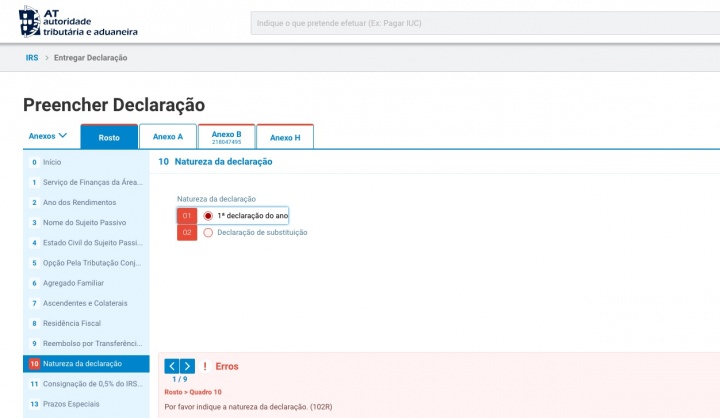
O próximo passo é preencher os dados normalmente solicitados aquando da entrega do IRS.
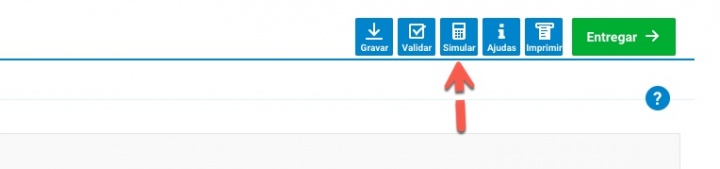
Depois de tudo preenchido basta que carreguem em simular para saberem se este ano vão pagar ou receber.
De referir que o período indicado pela Autoridade Tributária (AT) vai desde o dia 1 de abril a 31 de maio.
A Câmara de Braga deliberou esta quinta-feira que, a partir de segunda-feira, “cessa a obrigatoriedade do pagamento” do estacionamento na via pública nas 27 ruas do centro em que foram instalados parquímetros no final do mandato de Mesquita Machado.
Em declarações à Lusa, o presidente da autarquia, Ricardo Rio, explicou ainda que a partir de 2 de abril, nas restantes artérias em que o estacionamento à superfície é pago, a fiscalização e cobrança daquelas taxas passa a ser feita pela autarquia “na sequência da rejeição da providência cautelar interposta pela empresa ESSE ao resgate da concessão por parte do Tribunal Administrativo e Fiscal de Braga”.
A concessão do estacionamento pago na via pública no centro de Braga foi contratualizada com a ESSE ainda pelo executivo dirigido por Mesquita Machado, tendo sido uma das últimas medidas do autarca o alargamento a mais 27 rua da cidade daquela concessão. Uma das bandeiras eleitorais de Ricardo Rio é que procederia ao resgate da referida concessão e à anulação daquele alargamento, promessas que cumpriu nos primeiros dias de mandato em 2013.
No entanto, desde então têm sido sucessivas as tentativas de travar a anulação do alargamento dos parcómetros àquelas 27 ruas por parte da concessionária, tendo havido várias providências cautelares nesse sentido, pelo que o pagamento do estacionamento ainda se mantém.
No início de janeiro, a autarquia anunciou que procederia ao resgate da concessão, tal como permitia o contrato entre as duas entidades, pedindo que lhe fossem devolvidos os equipamentos de cobrança e garantindo um “encontro de contas”, que segundo autarca obrigaria a câmara de Braga a pagar perto de 170 mil euros à ESSE.
A empresa concessionária, além da já referida providência cautelar que visou impedir a passagem da gestão dos parquímetros para a autarquia já em janeiro, interpôs uma ação principal contra o resgate do contrato de concessão na qual pede à Câmara Municipal de Braga uma indemnização que pode ir até perto de 72 milhões de euros, valor já considerado “estapafúrdio” por Ricardo Rio.
A concessão do estacionamento pago à superfície no centro da cidade foi contratualizada em 2013 entre a autarquia e uma empresa do grupo BRITALAR, mais tarde, cedida à ESSE.S.A, por quatro milhões de euros a pagar “como adiantamento” no imediato e 51% das receitas dos parcómetros depois de atingido aquele valor.
Segundo o texto, o contrato em vigor que tem um prazo de 15 anos “prorrogáveis por períodos de 5 anos, até ao limite máximo de duração de 30 anos, pressupõe a declaração de vontade de ambas as partes em renovar” pelo que, defendeu o executivo de Rio, “a renovação exige que o município e a empresa declarem que pretendem renovar o acordo, não operando este automaticamente”.
O executivo liderado por Ricardo Rio optou pela não renovação do segundo período de cinco anos, decisão que deu a conhecer já em 2016.
Assim, segundo a deliberação do executivo camarário desta tarde, a partir de segunda-feira, “cessa a obrigatoriedade do pagamento de quaisquer taxas inerentes ao estacionamento na via pública” nas 27 ruas abrangidas pelo alargamento de 2013.
Ricardo Esteves, de 35 anos, pároco em Caminha é dos padres mais falados da internet. O estilo de vida e os atributos físicos não passaram ao lado da reportagem do Jornal de Notícias.
O “padre gatão”, como muitas já lhe chamam, tenta ir ao ginásio uma vez por dia, gosta de andar de mota e não falha as suas obrigações para com a igreja.
Reportagem Fotográfica: Jornal de Notícias / Global Imagens
We and our [number_of_vendors] partners use cookies and other tracking technologies to store and access information on your device and to process your personal data.
With your consent, we and our partners may process personal data such as unique identifiers, browsing data, and precise geolocation data, including through device scanning. You can accept or reject all by clicking the buttons below, or customize your choices by clicking "Manage Settings".
Some of our partners process your data based on their legitimate interest. You have the right to object to this processing. You can manage these settings by clicking "Manage Settings" and reviewing the legitimate interest options for each purpose and vendor.
This consent applies to this website only. You can withdraw or change your consent at any time by clicking the floating "Cookie Preferences" button at the bottom-left corner of your screen.
Data Processing Purposes: Store and/or access information on a device (397 seeking consent); Use limited data to select advertising (278 seeking consent, 96 using legitimate interest); Create profiles for personalised advertising (294 seeking consent); Use profiles to select personalised advertising (300 seeking consent); Create profiles to personalise content (114 seeking consent); Use profiles to select personalised content (107 seeking consent); Measure advertising performance (300 seeking consent, 132 using legitimate interest); Measure content performance (138 seeking consent, 56 using legitimate interest); Understand audiences through statistics or combinations of data from different sources (198 seeking consent, 67 using legitimate interest); Develop and improve services (200 seeking consent, 107 using legitimate interest); Use limited data to select content (62 seeking consent, 22 using legitimate interest)
Special Features: Use precise geolocation data; Identify devices based on information actively requested
Review and customize your consent choices for purposes and vendors. You can grant or withdraw consent for each purpose and vendor individually, or use the buttons below to accept or reject all.
The choices you make regarding the purposes and entities listed in this notice are saved in your browser's localStorage and a cookie named "wpconsent_tcstring" for a maximum duration of 12 months.
Non-IAB TCF Categories
These categories are not part of the IAB Transparency & Consent Framework.
Essential cookies enable basic functions and are necessary for the proper function of the website.
Name
Description
Duration
IAB TC String
This cookie stores the IAB Transparency & Consent Framework consent string, recording the user's choices for IAB TCF purposes and vendors.
12 months
Cookie Preferences
This cookie is used to store the user's cookie consent preferences.
30 days
IAB TCF Purposes
These purposes are part of the IAB Transparency & Consent Framework.
Store and/or access information on a device (397 seeking consent)
Cookies, device or similar online identifiers (e.g. login-based identifiers, randomly assigned identifiers, network based identifiers) together with other information (e.g. browser type and information, language, screen size, supported technologies etc.) can be stored or read on your device to recognise it each time it connects to an app or to a website, for one or several of the purposes presented here.
Examples:
Most purposes explained in this notice rely on the storage or accessing of information from your device when you use an app or visit a website. For example, a vendor or publisher might need to store a cookie on your device during your first visit on a website, to be able to recognise your device during your next visits (by accessing this cookie each time).
Use limited data to select advertising (278 seeking consent, 96 using legitimate interest)
Advertising presented to you on this service can be based on limited data, such as the website or app you are using, your non-precise location, your device type or which content you are (or have been) interacting with (for example, to limit the number of times an ad is presented to you).
Examples:
A car manufacturer wants to promote its electric vehicles to environmentally conscious users living in the city after office hours. The advertising is presented on a page with related content (such as an article on climate change actions) after 6:30 p.m. to users whose non-precise location suggests that they are in an urban zone.
A large producer of watercolour paints wants to carry out an online advertising campaign for its latest watercolour range, diversifying its audience to reach as many amateur and professional artists as possible and avoiding showing the ad next to mismatched content (for instance, articles about how to paint your house). The number of times that the ad has been presented to you is detected and limited, to avoid presenting it too often.
Create profiles for personalised advertising (294 seeking consent)
Information about your activity on this service (such as forms you submit, content you look at) can be stored and combined with other information about you (for example, information from your previous activity on this service and other websites or apps) or similar users. This is then used to build or improve a profile about you (that might include possible interests and personal aspects). Your profile can be used (also later) to present advertising that appears more relevant based on your possible interests by this and other entities.
Examples:
If you read several articles about the best bike accessories to buy, this information could be used to create a profile about your interest in bike accessories. Such a profile may be used or improved later on, on the same or a different website or app to present you with advertising for a particular bike accessory brand. If you also look at a configurator for a vehicle on a luxury car manufacturer website, this information could be combined with your interest in bikes to refine your profile and make an assumption that you are interested in luxury cycling gear.
An apparel company wishes to promote its new line of high-end baby clothes. It gets in touch with an agency that has a network of clients with high income customers (such as high-end supermarkets) and asks the agency to create profiles of young parents or couples who can be assumed to be wealthy and to have a new child, so that these can later be used to present advertising within partner apps based on those profiles.
Use profiles to select personalised advertising (300 seeking consent)
Advertising presented to you on this service can be based on your advertising profiles, which can reflect your activity on this service or other websites or apps (like the forms you submit, content you look at), possible interests and personal aspects.
Examples:
An online retailer wants to advertise a limited sale on running shoes. It wants to target advertising to users who previously looked at running shoes on its mobile app. Tracking technologies might be used to recognise that you have previously used the mobile app to consult running shoes, in order to present you with the corresponding advertisement on the app.
A profile created for personalised advertising in relation to a person having searched for bike accessories on a website can be used to present the relevant advertisement for bike accessories on a mobile app of another organisation.
Create profiles to personalise content (114 seeking consent)
Information about your activity on this service (for instance, forms you submit, non-advertising content you look at) can be stored and combined with other information about you (such as your previous activity on this service or other websites or apps) or similar users. This is then used to build or improve a profile about you (which might for example include possible interests and personal aspects). Your profile can be used (also later) to present content that appears more relevant based on your possible interests, such as by adapting the order in which content is shown to you, so that it is even easier for you to find content that matches your interests.
Examples:
You read several articles on how to build a treehouse on a social media platform. This information might be added to a profile to mark your interest in content related to outdoors as well as do-it-yourself guides (with the objective of allowing the personalisation of content, so that for example you are presented with more blog posts and articles on treehouses and wood cabins in the future).
You have viewed three videos on space exploration across different TV apps. An unrelated news platform with which you have had no contact builds a profile based on that viewing behaviour, marking space exploration as a topic of possible interest for other videos.
Use profiles to select personalised content (107 seeking consent)
Content presented to you on this service can be based on your content personalisation profiles, which can reflect your activity on this or other services (for instance, the forms you submit, content you look at), possible interests and personal aspects. This can for example be used to adapt the order in which content is shown to you, so that it is even easier for you to find (non-advertising) content that matches your interests.
Examples:
You read articles on vegetarian food on a social media platform and then use the cooking app of an unrelated company. The profile built about you on the social media platform will be used to present you vegetarian recipes on the welcome screen of the cooking app.
You have viewed three videos about rowing across different websites. An unrelated video sharing platform will recommend five other videos on rowing that may be of interest to you when you use your TV app, based on a profile built about you when you visited those different websites to watch online videos.
Measure advertising performance (300 seeking consent, 132 using legitimate interest)
Information regarding which advertising is presented to you and how you interact with it can be used to determine how well an advert has worked for you or other users and whether the goals of the advertising were reached. For instance, whether you saw an ad, whether you clicked on it, whether it led you to buy a product or visit a website, etc. This is very helpful to understand the relevance of advertising campaigns.
Examples:
You have clicked on an advertisement about a “black Friday” discount by an online shop on the website of a publisher and purchased a product. Your click will be linked to this purchase. Your interaction and that of other users will be measured to know how many clicks on the ad led to a purchase.
You are one of very few to have clicked on an advertisement about an “international appreciation day” discount by an online gift shop within the app of a publisher. The publisher wants to have reports to understand how often a specific ad placement within the app, and notably the “international appreciation day” ad, has been viewed or clicked by you and other users, in order to help the publisher and its partners (such as agencies) optimise ad placements.
Measure content performance (138 seeking consent, 56 using legitimate interest)
Information regarding which content is presented to you and how you interact with it can be used to determine whether the (non-advertising) content e.g. reached its intended audience and matched your interests. For instance, whether you read an article, watch a video, listen to a podcast or look at a product description, how long you spent on this service and the web pages you visit etc. This is very helpful to understand the relevance of (non-advertising) content that is shown to you.
Examples:
You have read a blog post about hiking on a mobile app of a publisher and followed a link to a recommended and related post. Your interactions will be recorded as showing that the initial hiking post was useful to you and that it was successful in interesting you in the related post. This will be measured to know whether to produce more posts on hiking in the future and where to place them on the home screen of the mobile app.
You were presented a video on fashion trends, but you and several other users stopped watching after 30 seconds. This information is then used to evaluate the right length of future videos on fashion trends.
Understand audiences through statistics or combinations of data from different sources (198 seeking consent, 67 using legitimate interest)
Reports can be generated based on the combination of data sets (like user profiles, statistics, market research, analytics data) regarding your interactions and those of other users with advertising or (non-advertising) content to identify common characteristics (for instance, to determine which target audiences are more receptive to an ad campaign or to certain contents).
Examples:
The owner of an online bookstore wants commercial reporting showing the proportion of visitors who consulted and left its site without buying, or consulted and bought the last celebrity autobiography of the month, as well as the average age and the male/female distribution of each category. Data relating to your navigation on its site and to your personal characteristics is then used and combined with other such data to produce these statistics.
An advertiser wants to better understand the type of audience interacting with its adverts. It calls upon a research institute to compare the characteristics of users who interacted with the ad with typical attributes of users of similar platforms, across different devices. This comparison reveals to the advertiser that its ad audience is mainly accessing the adverts through mobile devices and is likely in the 45-60 age range.
Develop and improve services (200 seeking consent, 107 using legitimate interest)
Information about your activity on this service, such as your interaction with ads or content, can be very helpful to improve products and services and to build new products and services based on user interactions, the type of audience, etc. This specific purpose does not include the development or improvement of user profiles and identifiers.
Examples:
A technology platform working with a social media provider notices a growth in mobile app users, and sees based on their profiles that many of them are connecting through mobile connections. It uses a new technology to deliver ads that are formatted for mobile devices and that are low-bandwidth, to improve their performance.
An advertiser is looking for a way to display ads on a new type of consumer device. It collects information regarding the way users interact with this new kind of device to determine whether it can build a new mechanism for displaying advertising on this type of device.
Use limited data to select content (62 seeking consent, 22 using legitimate interest)
Content presented to you on this service can be based on limited data, such as the website or app you are using, your non-precise location, your device type, or which content you are (or have been) interacting with (for example, to limit the number of times a video or an article is presented to you).
Examples:
A travel magazine has published an article on its website about the new online courses proposed by a language school, to improve travelling experiences abroad. The school’s blog posts are inserted directly at the bottom of the page, and selected on the basis of your non-precise location (for instance, blog posts explaining the course curriculum for different languages than the language of the country you are situated in).
A sports news mobile app has started a new section of articles covering the most recent football games. Each article includes videos hosted by a separate streaming platform showcasing the highlights of each match. If you fast-forward a video, this information may be used to select a shorter video to play next.